This resolution condemns antisemitic rhetoric from prominent online figures like Hasan Piker and Candace Owens and urges platforms and leaders to address this hate speech.
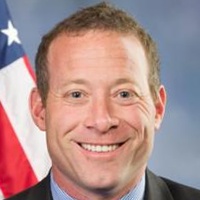
Josh Gottheimer
Representative
NJ-5
This resolution condemns the antisemitic rhetoric spread by prominent online personalities, citing specific examples from Hasan Piker and Candace Owens. It urges social media platforms and public leaders to denounce this hate-filled content and take action against its dissemination. The bill emphasizes that such online narratives contribute to real-world harm against Jewish communities.
House Resolution Condemns Antisemitic Rhetoric from Online Personalities, Citing Specific Incidents and Urging Platform Action
A new House resolution is zeroing in on antisemitic rhetoric spread by online personalities, specifically calling out Hasan Piker and Candace Owens. The resolution, which lays out the official position of the House, doesn't mince words, highlighting a significant spike in antisemitic incidents across the U.S.—up 344% over the last five years and a whopping 893% over the past decade. It argues that online platforms are a major accelerant for this kind of hate.
The Digital Battlefield of Hate
This resolution points to specific instances, like Hasan Piker’s comments that "America deserved 9/11" and his characterization of Orthodox Jews as "inbred." It also cites his downplaying of sexual violence on October 7, 2023, and his expressed support for Hamas. On the other side, Candace Owens is called out for promoting conspiracy theories about Israeli control over the U.S. government, questioning Holocaust survivor stories, and repeating the ancient antisemitic "blood libel" that Jews kill Christian children. She’s also cited for dismissing Josef Mengele’s medical experiments during the Holocaust as "bizarre propaganda." The resolution states that amplifying these narratives online isn't just talk; it directly contributes to real-world harm, including harassment and violence against Jewish individuals and communities.
Who's Responsible Here?
So, what's the ask? The resolution affirms that public officials, leaders, and tech companies all have a role to play in confronting and condemning antisemitism. This includes online discussions and influencer-driven media. Basically, it’s a call for everyone with a platform or power to step up. It argues that trying to downplay or excuse antisemitic rhetoric by calling it "political commentary" just isn't going to fly. The U.S. is doubling down on its commitment to fighting antisemitism and protecting Jewish communities, both online and off. This means social media and streaming platforms are being urged to actually enforce their existing policies against hate speech and take concrete steps to prevent the spread of antisemitic content. For everyday users, this could mean seeing more consistent content moderation on platforms, potentially leading to a cleaner, albeit more curated, online experience when it comes to hate speech.