This bill encourages public-private partnerships to enhance financial literacy education for students and young adults.
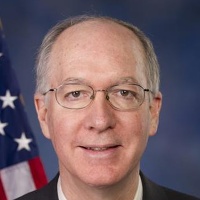
Bill Foster
Representative
IL-11
This bill emphasizes the critical need for improved financial literacy among students and young adults by encouraging greater collaboration between the public and private sectors. It supports existing efforts by federal agencies to provide educational resources, workshops, and decision-making tools to consumers of all ages. Furthermore, the legislation reaffirms directives for federal agencies to partner on opportunities, internships, and employment for minorities and women in the financial industry.
House Resolution Pushes Financial Literacy for Young Adults: Emphasizes Public-Private Collaboration
Alright, let's talk about a House Resolution that's trying to get our financial smarts in order, especially for the younger crowd. This isn't a new law with immediate changes to your bank account, but it's a big push from Congress to get everyone, from high schoolers to young professionals, better equipped to handle their money. Think of it as a roadmap for how we, as a country, should be tackling financial education.
The Money Talk: Why It Matters Now More Than Ever
This resolution kicks off by basically saying, "Hey, managing money is tough, and a lot of folks aren't ready for it." It points out that things like budgeting, understanding student loans, and even just knowing what a 529 plan is can feel like trying to read a foreign language for many young people. The resolution highlights some eye-opening stats, like how only 12% of young women feel confident about making financial decisions, and how few states actually require financial literacy courses in high school (only 39 states require a personal finance course for graduation, to be exact). It also mentions that with the shift from old-school pensions to 401ks, we're all pretty much on our own for retirement savings, making financial know-how even more critical. The core idea here is simple: the more you know about money, the better decisions you'll make, whether you're saving up for a house, paying off debt, or planning for your golden years.
Team Effort: Government Agencies and Your Wallet
So, what's the plan? The House isn't just talking; they're laying out four specific actions they want to see happen. First, they're emphasizing the importance of raising awareness about financial capability for everyone, no matter their age. This means more workshops, more easy-to-understand information, and more tools to help you make smart financial choices. If you've ever felt overwhelmed by financial jargon, this is a nod to making that less of a headache.
Second, the resolution doubles down on Section 342 of the Dodd-Frank Act. This part is all about getting federal financial agencies to team up with organizations that focus on creating opportunities for minorities and women. We're talking internships, summer jobs, and even full-time positions in the financial industry. The goal is to get talented young individuals into these roles, helping to diversify the financial sector and provide real-world experience. If you're a young person looking to break into finance, this could mean more pathways opening up.
Third, they're throwing their support behind the Bureau of Consumer Financial Protection (CFPB). This agency is already doing a lot of heavy lifting by providing consumers with information and tools for big financial decisions. The resolution basically says, "Keep up the good work, CFPB!" This means you can expect the CFPB to continue being a go-to resource for understanding everything from credit scores to mortgage details.
Finally, the House is urging the Department of the Treasury to work with the Financial Industry Regulatory Authority (FINRA) to keep those national financial capability studies going. These studies track how financially savvy Americans are over time, looking at things like student loans and medical debt. By continuing these studies, we get a clearer picture of where we stand financially as a nation, which helps tailor future education efforts. Ultimately, this resolution is about making sure that the financial playing field is a little more level and a lot less confusing for everyone, especially those just starting out.