This resolution expresses the Senate's view that politicized war crimes allegations against allied special operations forces undermine crucial military alliances and mutual trust.
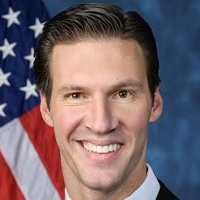
Pat Harrigan
Representative
NC-10
This resolution affirms the Senate's commitment to vital military alliances, such as those with the UK and Australia, whose forces have fought alongside the U.S. It expresses concern that politically motivated, retrospective war crimes allegations against allied special operations forces risk undermining essential trust and interoperability. The bill urges the Executive Branch to ensure that such investigations remain impartial and free from political interference to protect the integrity of these partnerships.
Senate Resolution Aims to Shield Allied Special Forces from 'Politicized' War Crimes Allegations
Alright, let's talk about something a bit heavy, but super important for how our military alliances work. The Senate's put forward a resolution that basically says, 'Hey, let's be careful about how we handle war crimes allegations against our friends' special forces.' We're talking about countries like the UK, Australia, Canada, and New Zealand—our main partners who've fought alongside U.S. troops in places like Afghanistan and Iraq.
The 'What's Going On Here?' Section
This resolution is a formal statement of the Senate's opinion, not a new law, but it carries weight. It's pushing back against what it calls “retrospective, politically motivated accusations of war crimes” against allied special operations forces, especially when these accusations pop up years after the fact. The concern here is that these claims might be more about "domestic politics" or "limited evidence" rather than a clear-cut, impartial investigation. Think of it like this: imagine your company gets hit with a vague complaint from years ago, right when a big internal election is happening. This resolution is suggesting something similar might be playing out on an international stage.
The Alliance Angle: Keeping the Team Together
The big worry for the Senate is that these kinds of investigations could really mess with the trust and morale between allied forces. The resolution explicitly warns that if these accusations are seen as politically driven, it could "undermine the mutual trust, interoperability, and morale that are the foundation of U.S.-allied military relationships." We've already seen hints of this; the resolution mentions a 2021 U.S. warning that findings against Australian special forces could actually lead to legal restrictions on future partnerships. For anyone working in a team, you know how quickly trust can erode if you feel like your partners aren't backing you up or if old issues keep getting dug up without solid proof. This could mean less effective joint missions down the road, which impacts everyone from the folks on the front lines to the strategists back home.
The Fine Print: Fairness vs. Finger-Pointing
The resolution isn't saying, 'Ignore all war crimes.' Far from it. It affirms that the U.S. supports "thorough and impartial investigations" into alleged war crimes. The key phrase here is impartial and free from political interference. The Senate is particularly concerned about applying "new or evolving interpretations of the Law of Armed Conflict to past operations." This is a big deal because it means that what was considered acceptable or legal at the time of an operation might be judged by today's standards, which could feel like moving the goalposts. For military personnel, this could create a lot of legal uncertainty, making it harder to make tough decisions in high-pressure situations, potentially punishing "good-faith compliance" if the rules change after the fact.
Who Benefits, Who Bears the Brunt?
So, who stands to gain from this resolution? Primarily, it's the special operations forces from our allied nations (UK, Australia, Canada, New Zealand) and the U.S. military leadership who rely on these alliances. The idea is to protect these forces from what's perceived as unfair legal scrutiny years after their missions. The goal is to keep these alliances strong and ensure future joint operations run smoothly.
On the flip side, this could be a tough pill to swallow for individuals or groups who genuinely believe war crimes have been committed. If the resolution's emphasis on preventing 'politicization' is interpreted too broadly, it could make it harder to pursue legitimate claims or hold people accountable. The concern here is that terms like 'politically motivated' are pretty vague. Without clear definitions, there's a risk that this language could be used to dismiss valid concerns, even if there's evidence. It's a delicate balance: ensuring justice without undermining the very alliances that are crucial for global security.