This resolution supports designating the week of April 27 through May 1, 2026, as "National Specialized Instructional Support Personnel Appreciation Week" to recognize their vital role in student success.
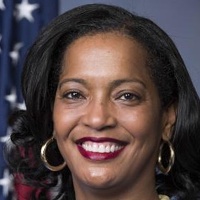
Jahana Hayes
Representative
CT-5
This resolution supports designating the week of April 27 through May 1, 2026, as "National Specialized Instructional Support Personnel Appreciation Week." It recognizes the vital role of over one million school-based professionals, such as counselors, social workers, and therapists, in removing barriers to learning for all students. The bill commends these individuals for delivering essential educational, social, and emotional support that improves student outcomes and school climate.
National Appreciation Week for School Support Staff Set for April 27-May 1, 2026
Alright, let's talk about something that might not grab headlines but is super important for anyone with kids in school, or really, anyone who cares about the next generation. The House of Representatives is looking to designate the week of April 27 through May 1, 2026, as "National Specialized Instructional Support Personnel Appreciation Week." Sounds a bit wordy, right? But stick with me, because this is about recognizing a massive, often unsung, workforce that keeps our schools running and our kids thriving.
The Unsung Heroes of Our Schools
So, who are these "specialized instructional support personnel"? Think of them as the backbone of student well-being beyond the classroom teacher. We're talking about over a million professionals across the country, from school counselors who help teens navigate tough choices, to school social workers who connect families with resources, and school psychologists who support mental health. It also includes school nurses, occupational therapists, speech-language pathologists, and even art and music therapists. Essentially, anyone who provides those crucial non-academic services that help students overcome hurdles, whether they're learning disabilities, emotional challenges, or just needing a safe space to talk.
More Than Just a Title: What They Actually Do
These folks aren't just there for emergencies. They're actively involved in prevention and early intervention, working to reduce barriers that keep kids from learning. Imagine a student struggling with anxiety; a school psychologist might provide coping strategies. Or a child with a speech impediment; a speech-language pathologist is right there, helping them communicate better. They team up with teachers, school leaders, and parents to create environments where every student can succeed, using evidence-based practices to improve everything from academic performance to social skills and physical wellness. This resolution highlights their role in improving student mental health, reducing drug use, and even boosting overall community safety. It's about recognizing that a healthy, supported student is a student who can learn and grow.
Why This Matters for Everyday Life
While this resolution doesn't change funding or create new programs, it's a big deal for recognition. For parents, it shines a light on the diverse team of professionals available to support their children. For the professionals themselves, it’s a national nod to their hard work and dedication. And for all of us, it's a reminder that a holistic approach to education—one that values mental health, social skills, and emotional well-being as much as test scores—is critical. The resolution also encourages federal, state, and local policymakers to collaborate and share best practices. Think of it as a national spotlight encouraging everyone to learn from what's working best in different schools, ultimately aiming to improve support services for all students. It's about making sure these vital roles aren't overlooked and that their impact on our communities is truly understood and appreciated.