This bill elects Representative Mejia to the House Committee on Homeland Security, placing her immediately after Mr. Walkinshaw in seniority.
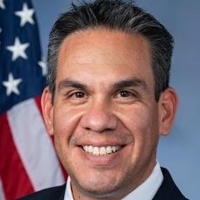
Pete Aguilar
Representative
CA-33
This bill officially elects Representative Mejia to the House Committee on Homeland Security. Her seniority on the committee will be ranked immediately following Mr. Walkinshaw.
House Elects Rep. Mejia to Homeland Security Committee, Setting Ranking Order
Alright, let's talk about some Housekeeping in the House. This isn't about new laws that'll change your daily grind directly, but it's a peek behind the curtain at how Congress gets organized to do its job.
The Committee Shuffle
This resolution is pretty straightforward: it formally elects Representative Mejia to the House Committee on Homeland Security. Think of it like a company assigning a new team member to a specific department. These committees are where a lot of the detailed work happens—they're the workshops where bills get hammered out, issues are investigated, and oversight is performed. So, getting a seat on one, especially a significant one like Homeland Security, means a representative gets a direct say and influence on those topics. This particular resolution is found in the text, stating the election of "Representative Mejia to the House Committee on Homeland Security."
Where She Sits at the Table
Beyond just getting a spot, the resolution also clarifies her ranking. It states she'll rank "immediately after Mr. Walkinshaw." In committee work, ranking isn't just about who sits where; it can affect everything from speaking order to seniority for future leadership roles within that committee. It’s a small detail, but it’s part of the internal pecking order that helps committees function, ensuring a clear structure for their operations. This kind of procedural clarity, while not flashy, is essential for the legislative process to run smoothly, much like a clear organizational chart in any large organization.