This resolution supports the goals of Glisten’s 2026 Day of Silence by advocating for inclusive, safe, and anti-discriminatory K-12 school policies that protect LGBTQI+ students from bullying and harassment.
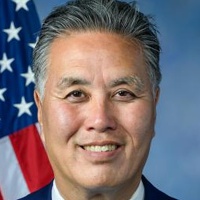
Mark Takano
Representative
CA-39
This resolution supports the goals and ideals of Glisten’s 2026 Day of Silence, which seeks to highlight and combat the bullying, harassment, and discrimination faced by LGBTQI+ students in K-12 schools. It calls on communities and policymakers nationwide to demand equal educational opportunities and the implementation of inclusive policies that ensure all students can learn in a safe, affirming environment.
Congress Recognizes 2026 Day of Silence: A Push for LGBTQI+ Student Safety and Anti-Bullying Protections
This resolution officially puts the weight of Congress behind the National Day of Silence scheduled for 2026, an event designed to shine a light on the bullying and harassment LGBTQI+ students face in K-12 schools. Rather than creating new federal mandates, this measure acts as a formal acknowledgment of the struggles students face—like the 58% of LGBTQI+ youth who report verbal harassment—and calls on local school boards and state governments to step up. It’s a push for 'enumerated' anti-bullying protections, which is policy-speak for rules that specifically list sexual orientation and gender identity as protected categories, ensuring that when a kid gets picked on, there’s a clear protocol for the school to handle it.
The Data Behind the Desk
To understand why this resolution is hitting the floor now, you have to look at the numbers cited in the text. The bill points to a sobering reality: nearly 30% of LGBTQI+ students missed at least one day of school in the last month because they felt unsafe, and 7% actually switched schools entirely to escape a hostile environment. For a parent or an educator, these aren't just statistics; they represent lost learning time and a mental health tax on kids just trying to pass algebra. The resolution specifically highlights that for students of color who identify as LGBTQI+, the pressure is even higher, with 75% reporting harassment or assault. By citing these figures, the resolution aims to move the conversation from abstract 'culture wars' to the concrete physical safety of students in the classroom.
Local Schools, National Standards
While the resolution doesn't change federal law overnight, it serves as a blueprint for what 'inclusive learning' should look like on the ground. It encourages local educational agencies to adopt gender-neutral dress codes and inclusive learning practices, moving away from policies that have recently seen 14 states censor classroom instruction related to LGBTQI+ identities. For a teacher in a state with restrictive laws, this resolution provides a federal benchmark for what a supportive environment looks like, even if the legal battle at the state level is still ongoing. It’s a signal to school boards that the goal should be an environment where every student, regardless of their background, can focus on their grades rather than their safety.
The Ripple Effect on Families
The resolution also touches on the 'moving truck' reality many families are facing. It notes that in Florida, over half of LGBTQI+ parents considered moving after the 2022 Parental Rights in Education Act was passed. This isn't just a social issue; it’s an economic and logistical one for families who have to weigh their careers and community ties against their child’s well-being. By advocating for basic civil rights protections in schools, the resolution argues that a student’s zip code shouldn't determine whether they feel safe enough to graduate. It’s a call to action for communities to demand that 'equal educational opportunity' isn't just a phrase in a textbook, but a daily reality for every kid walking through the schoolhouse doors.