This resolution honors the Grandassa Models for their pioneering role in the "Black is Beautiful" movement and their enduring legacy of redefining beauty standards and promoting Black cultural pride.
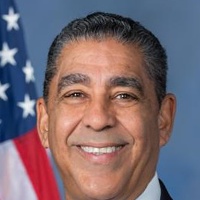
Adriano Espaillat
Representative
NY-13
This resolution honors the Grandassa Models, a pioneering collective that redefined beauty standards and championed Black cultural pride during the civil rights era. By launching the "Naturally 62" movement, these women challenged Eurocentric norms and promoted African heritage through fashion and activism. The bill recognizes their historic impact as icons of the "Black is Beautiful" movement and celebrates their enduring legacy in fostering racial pride and community empowerment.
New Resolution Honors Harlem’s Grandassa Models: Recognizing 60 Years of the 'Black is Beautiful' Movement
This resolution officially recognizes the Grandassa Models, the pioneering collective of African-American women who launched the 'Black is Beautiful' movement in Harlem on January 28, 1962. By celebrating their debut fashion show, 'Naturally 62,' the bill formally acknowledges their role in shifting the global cultural landscape by challenging Eurocentric beauty standards and promoting African heritage through fashion, photography, and natural hair. It isn't just a history lesson; it’s a formal nod to how these women turned the runway into a platform for civil rights activism, influencing everything from the album covers of jazz legends to the modern natural hair movement.
Redefining the Mirror
The resolution highlights the specific origins of the group, noting they were organized by the African Jazz-Art Society Studios (AJASS) to promote 'Grandassaland'—a term for the African homeland symbolizing unity and pride. For the office worker or creative professional today, this history is the foundation of modern representation. The bill credits key figures like Elombe and Kwame Brathwaite for using visual culture to replace then-standard terminology with 'Black' and 'African,' fundamentally changing how identity is discussed in public life. It specifically honors the original eight models, including Clara Lewis and Helene Nomsa Brath, as icons who used art as a tool for liberation.
From the Runway to the Community
Beyond the historical accolades, the resolution shines a light on the ongoing work of the Grandassa Association. This isn’t just about looking back at 1962; it’s about the group’s current efforts to provide educational resources, raise scholarship funds, and foster intergenerational connections within the New York City community. For a small business owner in Harlem or a student looking for mentorship, this recognition validates the cultural infrastructure that supports local fashion and heritage. The bill emphasizes that their mission to preserve cultural integrity and promote African fashion remains an active, vital force in community uplifting today.