This resolution designates March 29 through April 11, 2026, as National Young Audiences Arts for Learning Week to celebrate the vital role of arts education in schools and communities.
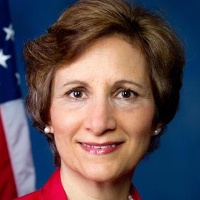
Suzanne Bonamici
Representative
OR-1
This resolution designates March 29 through April 11, 2026, as "National Young Audiences Arts for Learning Week." It honors the significant contributions of arts education to student development and recognizes the positive impact of Young Audiences Arts for Learning programs on communities nationwide. The bill encourages Americans to celebrate the week by promoting the essential role that the arts play in a complete education.
House Designates Two-Week Spotlight on Arts Education for Spring 2026
This resolution officially recognizes the period from March 29 through April 11, 2026, as National Young Audiences Arts for Learning Week. Rather than creating new mandates or tax burdens, the measure serves as a formal nod to the role of arts in the classroom, specifically highlighting the work of the Young Audiences Arts for Learning network. By setting these dates, the resolution aims to boost public awareness of how music, dance, and visual arts contribute to a student's critical thinking and communication skills, while also acknowledging the nonprofit arts sector as a legitimate economic driver in local communities.
The Scale of the Stage
To understand the scope here, the resolution cites some heavy-hitting numbers: the Young Audiences network currently reaches over 5 million participants annually across nearly 4,000 schools and community centers. During the 2024–2025 school year alone, these programs were active in 28 states and 183 congressional districts. For a parent in a suburban district or a teacher in a rural community center, this designation is essentially a high-profile endorsement of the programming that often fills the gaps when school budgets for creative subjects get tight. It’s a formal way of saying that these extracurricular and integrated arts programs are a vital part of the national educational infrastructure.
More Than Just Finger Painting
The text specifically honors the contributions of volunteers, families, and educators who keep these programs running. It isn't just about the kids; the resolution points to the economic impact of the nonprofit arts sector, which supports jobs for local artists and administrators alike. By encouraging "appropriate ceremonies and activities" during these two weeks in 2026, the bill nudges local governments and citizens to look at arts education not as a luxury, but as a tool for developing a more capable workforce. If you're a local business owner or a tech worker, the bill suggests that the creativity sparked in these programs eventually translates into the kind of innovative thinking needed in the modern job market.