This resolution honors the essential contributions of social workers to the health, well-being, and social justice of American communities in recognition of Social Work Month and World Social Work Day 2026.
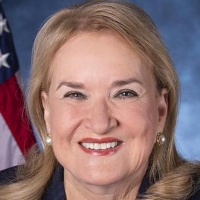
Sylvia Garcia
Representative
TX-29
This resolution recognizes the essential contributions of the nation’s 728,000 social workers in promoting health, social justice, and well-being across American communities. It formally supports the goals and ideals of Social Work Month and World Social Work Day on March 17, 2026, while highlighting the urgent need for continued investment in the profession.
National Resolution Recognizes 728,000 Social Workers and Targets Workforce Shortage for 2026
This resolution formally establishes the federal government’s support for Social Work Month and World Social Work Day on March 17, 2026. Beyond the ceremonial nod, the text explicitly acknowledges the massive footprint of the nation’s 728,000 social workers who operate in hospitals, schools, and VA clinics. It serves as a formal policy acknowledgment that while the profession is growing—with a projected 800,000 workers by 2033—the current workforce is spread too thin to meet the surging demand for mental health and addiction services.
More Than Just a Thank You Note
The resolution identifies social workers as the backbone of the American social safety net, specifically citing their role in managing the addiction crisis and supporting maternal health. For a parent trying to navigate a school’s special education system or a veteran transitioning back to civilian life, this resolution validates the 'boots on the ground' professionals who usually handle the paperwork and the emotional heavy lifting. It highlights that social workers are among the largest providers of mental health services in the U.S., filling gaps in rural areas where doctors and psychologists are often scarce.
The Reality of the Workforce Gap
While the tone is celebratory, the resolution doesn’t ignore the math. It points out a significant 'need for meaningful investment' in recruitment and retention. For someone working in the field or a family waiting months for a counseling appointment, this is the most critical takeaway. The text notes that the current workforce is 'insufficient' to meet demand. By putting this into the official record, it sets the stage for future legislative discussions regarding student loan forgiveness, higher livable wages, and better funding for the institutions where these professionals work.
Connecting Policy to the Community
By recognizing social workers' roles in everything from natural disaster recovery to voting rights advocacy, the resolution frames the profession as essential to 'building a more perfect Union.' It specifically mentions the COVID-19 public health emergency, acknowledging the frontline stress these workers endured. For the average person, this resolution is a signal that the federal government recognizes the shortage of mental health support as a systemic issue that requires more than just awareness—it requires a sustainable pipeline of professionals to keep communities functioning.