This resolution designates March 2026 as National Middle-Level Education Month to recognize the critical importance of middle-level education and the educators who support the development of young adolescents.
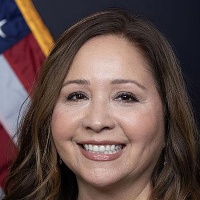
Adelita Grijalva
Representative
AZ-7
This resolution designates March 2026 as "National Middle-Level Education Month" to recognize the critical role that middle-level schools play in the development of young adolescents. It highlights the importance of supporting students in grades 5 through 8 during this pivotal stage of brain development and academic growth. The bill encourages the public to celebrate and engage with the educators and institutions dedicated to preparing these students for future success.
Congress Designates March 2026 as National Middle-Level Education Month: Highlighting the Critical Grades 5-8 Pivot Point.
This resolution officially recognizes March 2026 as National Middle-Level Education Month, focusing on the roughly 18 million students aged 10 to 15 who are navigating the often-chaotic transition between childhood and high school. By formalizing this designation, the resolution aims to shine a spotlight on grades 5 through 8, a period the text identifies as a 'critical stage' for brain development and the formation of lifelong habits. It isn't just a pat on the back for teachers; it’s a formal acknowledgment that the academic performance of an eighth-grader is actually a stronger predictor of college readiness than anything they do in high school.
The Middle School Mindset
The resolution leans heavily on neuroscience to make its case, pointing out that students in this age bracket are going through rapid physical, intellectual, and moral shifts. For a parent or a local business owner, this means the 'middle school years' are more than just a bridge to be crossed; they are the foundation for the future workforce. The text specifically highlights the need for 'challenging and engaging instruction' and organizational structures that prioritize social equity and personalization. It’s a call to move away from the 'one-size-fits-all' approach and recognize that a 12-year-old’s learning environment needs to be as dynamic as their changing brain.
Addressing the Funding Gap
One of the more direct takeaways in the resolution is the blunt admission that middle-level education is currently underfunded at the federal level. While the resolution itself doesn't cut a check or reallocate tax dollars today, it sets the stage for future budget debates by documenting this shortfall in the official record. For educators working in overcrowded or under-resourced middle schools, this recognition is a necessary first step toward potentially securing the 'knowledgeable teachers and administrators' and 'safe, supportive learning environments' the resolution calls for.
A Call for Community Connection
Beyond the policy talk, the resolution encourages the general public to observe the month by actively engaging with local schools that serve middle-grade students. This could look like a local contractor visiting a 7th-grade shop class or a software dev mentoring a 6th-grade coding club. By urging people to 'celebrate those schools responsible for educating the nation’s young adolescents,' the resolution seeks to bridge the gap between the classroom and the community, ensuring that the 'distinctive mission' of middle-level education is understood by more than just the people inside the building.