This resolution expresses concern over unauthorized workforce reductions at FEMA, CISA, and TSA, calling for an immediate halt to these cuts and a full accounting to ensure the continued security of the nation.
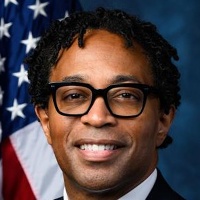
Wesley Bell
Representative
MO-1
This resolution expresses deep concern over unauthorized workforce reductions at FEMA, CISA, and TSA, which have compromised national security and disaster response capabilities. It asserts that these cuts violate federal law and congressional appropriations, calling on the administration to halt further personnel reductions and provide a full accounting of the staffing losses. Ultimately, the bill reaffirms the necessity of a stable, professional career workforce to ensure the safety and security of the United States.
New Resolution Demands Halt to FEMA and TSA Staff Cuts: Restoring Security and Slashing Airport Wait Times.
This resolution takes a hard look at the shrinking numbers inside our national safety net, specifically targeting unauthorized workforce reductions at FEMA, CISA, and the TSA. The bill highlights that FEMA lost over 3,000 employees in 2025 alone, while the TSA saw over 1,300 officers walk out during recent government shutdowns. By formally recognizing these agencies as essential, the resolution seeks to stop any further personnel cuts that haven't been specifically approved by Congress, aiming to stabilize the teams that handle everything from hurricane relief to airport security.
The Safety Net is Fraying
The real-world impact of these empty desks isn't just a HR headache; it’s hitting the ground in ways we all feel. For instance, the resolution points out that FEMA entered the 2025 hurricane season with only 12 percent of its disaster management staff ready to go. If you’re a homeowner in a storm zone, that means the person responsible for coordinating your local recovery might not even exist. Meanwhile, at the airport, those staffing shortages have pushed security wait times past the two-hour mark. For a business traveler or a family trying to make a connection, these aren't just statistics—they are missed flights and lost wages.
Accountability and the Paper Trail
To fix the leaks, the resolution demands a full digital audit of every job lost since January 2025. It requires the administration to hand over a detailed accounting to Congress, breaking down exactly who was cut and how it happened. This is a direct response to findings that some of these staff reductions actually bypassed federal employment laws and ignored the budget levels Congress originally set. By requiring the immediate nomination of a permanent FEMA Administrator, the bill aims to put a qualified professional back in the driver’s seat rather than leaving critical disaster response to a revolving door of temporary acting officials.
Protecting the Professionals
Beyond the logistics, this move is about protecting the nonpartisan nature of the people who keep the lights on during a crisis. The resolution emphasizes that cybersecurity and disaster response shouldn't be subject to sudden, unauthorized downsizing that leaves the country vulnerable to hackers or natural disasters. For the average worker—whether you're a coder worried about infrastructure security or a construction lead relying on federal disaster grants to rebuild a community—this resolution acts as a push to ensure the agencies you rely on are actually staffed well enough to answer the phone when things go wrong.