This resolution designates March 22–28, 2026, as "National Cleaning Week" to honor the essential role of the cleaning industry in protecting public health and safety.
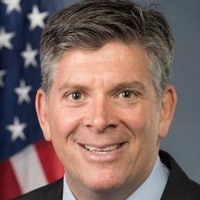
Darin LaHood
Representative
IL-16
This resolution designates March 22–28, 2026, as "National Cleaning Week" to highlight the essential role of cleaning and disinfection in protecting public health. It recognizes the vital contributions of cleaning professionals and the industry in maintaining safe, sanitary environments in our homes, schools, and workplaces.
National Cleaning Week Designated for March 2026: Recognizing the Frontline Workers Keeping Public Spaces Safe
This resolution officially marks the week of March 22 through March 28, 2026, as National Cleaning Week. It is a formal nod to the cleaning industry, focusing on the link between professional sanitation and public health. By citing data from the CDC and the ISSA—which notes that routine cleaning can slash virus contamination on surfaces by 62 percent—the measure aims to highlight that scrubbing floors and disinfecting handles isn't just about aesthetics; it is a frontline defense against infectious diseases in our schools, offices, and hospitals.
More Than Just a Spring Clean
While a designated week might sound like a simple calendar entry, this resolution specifically targets the 'essential frontline cleaning professionals' who often work behind the scenes. For the janitorial staff at your local high school or the crew disinfecting a dental office at 2:00 AM, this is a formal recognition of their role in the broader healthcare ecosystem. The text acknowledges the manufacturers and distributors who keep the supply chain of hygiene products moving, ensuring that when a business owner needs medical-grade disinfectant to stay compliant with safety codes, those products are actually on the shelf.
The Health and Safety Dividend
Because this is a non-binding resolution, it doesn't come with new taxes, complex regulations, or a massive government spending package. Instead, it serves as a public awareness tool to promote 'safe and clean environments' across the board. For a small business owner, it’s a reminder that routine maintenance is an investment in reducing employee sick days. For parents, it’s a push for consistent standards in the classrooms where their kids spend eight hours a day. It’s a straightforward acknowledgment that the people keeping our public spaces sanitary are a vital part of keeping the economy and the public healthy.