This resolution acknowledges the oppression of Nepali-speaking Bhutanese citizens in the late 1980s and early 1990s and urges the Bhutanese government toward justice, reconciliation, and the restoration of rights.
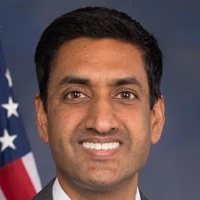
Ro Khanna
Representative
CA-17
This Senate resolution acknowledges the severe oppression and forced displacement of tens of thousands of Nepali-speaking Bhutanese citizens in the late 1980s and early 1990s. It condemns these human rights violations and urges the Royal Government of Bhutan to take steps toward justice, reconciliation, and peace. Specifically, the resolution calls for the release of political prisoners, the restoration of citizenship, and the establishment of a Truth Commission to investigate past abuses.
Senate Resolution Urges Bhutan to Address 90s Human Rights Abuses, Release Political Prisoners
Alright, let's talk about a Senate resolution that just dropped, focusing on some pretty heavy history out of Bhutan. This isn't a new law, mind you, but more of a strong statement from the U.S. Senate to the Royal Government of Bhutan, urging them to finally deal with some serious human rights issues from the late 80s and early 90s.
The Long Shadow of the 90s: What This Resolution Acknowledges
So, what's the beef? This resolution directly calls out Bhutan for the "oppression and forced displacement of more than 100,000 Nepali-speaking Bhutanese citizens," specifically mentioning groups like the Lhotshampas and Sharchops. These folks, according to the resolution, were targeted because of their identity, culture, language, and even their political views. We're talking about allegations of unjust detention, torture, and other human rights abuses, with some political prisoners still locked up today. Many of these persecuted individuals ended up in refugee camps in Nepal for nearly two decades, and a good chunk are still there because Bhutan won't let them come home.
Even those Nepali-speaking Lhotshampa who stayed in Bhutan, estimated at over 250,000, are reportedly facing ongoing political, social, and economic oppression. The resolution highlights that the Bhutanese government hasn't reinstated their citizenships, which were apparently stripped away during the 90s. This isn't just old news; it's about acknowledging a past that still impacts tens of thousands of people today, whether they're trying to rebuild lives in other countries or still struggling within Bhutan.
What the U.S. Senate Wants Bhutan to Do
This isn't just a history lesson; the resolution lays out some pretty clear demands for the Royal Government of Bhutan. It "urges" them to:
- Release political prisoners: This means a "rapid and unconditional release" for anyone whose "crime was demanding democracy and human rights," along with "due restitution and reparations." Think about it: if you were jailed for speaking up for basic rights, this resolution is pushing for your freedom and some form of compensation for lost time and suffering.
- Talk to Nepal: The resolution wants Bhutan to "resume discussions with the Government of Nepal on the status of individuals in Nepal who assert a claim to Bhutanese citizenship or residency." This is about sorting out the messy situation for those still in refugee camps.
- Restore citizenship: For all those Nepali-speaking Lhotshampas who had their citizenship "arbitrarily revoked," the resolution says it's time to give it back.
- Allow voluntary return: It also urges Bhutan to "accept the voluntary return of its citizens from refugee camps in Nepal." This could mean a path home for many who were forced out.
- Start a Truth Commission: This is a big one. The resolution calls for a "holistic peace building and reconciliation process" and an "independent Truth Commission" to investigate human rights violations from the 90s. The idea is to publish findings and make recommendations to prevent this kind of displacement and oppression from ever happening again.
Now, it's worth noting that while the U.S. and Bhutan don't have formal diplomatic relations, they do have "warm and productive unofficial ties." The resolution even gives a nod to Bhutan's transition to democracy in 2008, its climate change leadership, and its support for the U.S. on issues like Russian aggression. So, it's not just a scolding; it's a call for action from a partner.
The Real-World Impact: What This Means for People
For the tens of thousands of Nepali-speaking Bhutanese who were displaced or oppressed, this resolution is a formal acknowledgment of their suffering. It's not a guarantee, but it's a significant step from a major global power saying, "We see what happened, and it wasn't right." For those still in refugee camps, it renews hope that their situation might finally be resolved. For political prisoners, it's international pressure for their release and a chance for restitution.
However, it's important to keep in mind that this is a resolution, not a law with direct enforcement mechanisms. The U.S. Senate is urging Bhutan to take these steps. The effectiveness really hinges on whether the Royal Government of Bhutan decides to act on these recommendations. The terms like "appropriate restitution and reparations" or "holistic peace building and reconciliation process" are also pretty broad, which means the devil will be in the details of how, or if, Bhutan chooses to implement them. Will they genuinely engage, or will they drag their feet? That's the million-dollar question. For the Royal Government of Bhutan, this resolution could bring increased international pressure and scrutiny, potentially impacting their diplomatic standing if they don't respond. It's a clear message: the world is watching, and past injustices need to be addressed for true reconciliation to happen.