This bill expresses support for designating February 16, 2026, as "International Black Aviation Professionals Day" to honor the historical and ongoing contributions of Black Americans to aviation and aerospace.
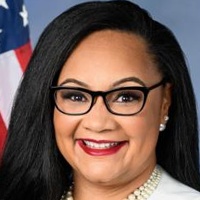
Nikema Williams
Representative
GA-5
This resolution expresses support for designating February 16, 2026, as "International Black Aviation Professionals Day." It honors the significant historical and ongoing contributions of Black Americans across all sectors of aviation and aerospace. The bill encourages the President to issue a proclamation recognizing these pioneers and supporting greater opportunities for Black Americans in the field.
Proposed Resolution Designates February 16, 2026, as International Black Aviation Professionals Day to Honor Aerospace Pioneers
This resolution aims to officially recognize February 16, 2026, as a day to celebrate the massive, yet often under-discussed, impact Black Americans have had on the skies and beyond. It’s not just a symbolic gesture; the bill outlines a comprehensive history of innovators who fought both gravity and systemic barriers. From the early 1900s pilots like Bessie Coleman to the mathematicians like Katherine Johnson who literally calculated the path to the moon, the resolution seeks to cement these names into the national consciousness and the standard educational curriculum.
More Than Just a Date on the Calendar
The resolution specifically calls for the President to issue a proclamation that does more than just offer a handshake. It pushes for "enhanced educational curriculum" in schools and libraries. For parents and teachers, this means a shift in how history and STEM are taught, moving beyond the usual textbook chapters to include the inventors of GPS technology (Gladys West) or the first Black flight attendants who broke the color barrier in commercial cabins. By formalizing this day, the bill aims to ensure these stories aren't just elective history, but a core part of how we understand American innovation.
Clearing the Runway for the Next Generation
Beyond looking backward, the bill focuses on the future of the workforce. It explicitly supports diversity, equity, and inclusion initiatives within the FAA and the private sector to recruit from underrepresented backgrounds. If you’re working in the trades or tech, you know that specialized industries often feel like closed loops; this resolution encourages public and private sectors to open those loops. It highlights the work of organizations like the Organization of Black Aerospace Professionals (OBAP) and calls for greater opportunities in all areas of aviation—from the cockpit to air traffic control and aerospace engineering.
Why February 16, 2026?
The choice of this specific date serves as a focal point for a coordinated national effort. By setting a clear target, the resolution gives museums, schools, and airlines a deadline to prepare programming that highlights these contributions. It’s a move to ensure that the legacy of the Tuskegee Airmen and modern leaders like former NASA Administrator Charles Bolden Jr. translates into actual career paths for young people today. The goal is to move from "firsts" to a sustainable pipeline where the aviation industry reflects the diversity of the people who use it every day.