This bill expresses support for designating September 19, 2026, as "Black Autism Acceptance and Awareness Day" to highlight and address systemic racial inequities faced by Black autistic individuals.
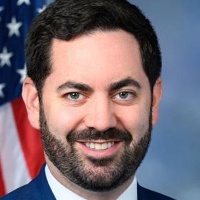
Michael Lawler
Representative
NY-17
This resolution expresses support for designating September 19, 2026, as "Black Autism Acceptance and Awareness Day." It highlights significant racial inequities faced by Black autistic individuals in diagnosis, healthcare, education, and law enforcement interactions. The bill encourages Americans to use this day to raise awareness, promote inclusion, and advocate for justice and equitable access to resources for the Black autistic community.
Congress Moves to Designate September 19, 2026, as Black Autism Acceptance and Awareness Day to Tackle Diagnostic and School Disparities
This resolution formally recognizes the systemic hurdles that Black autistic individuals face and proposes September 19, 2026, as a dedicated day to highlight these issues. It isn't just a calendar entry; the text lays out a specific roadmap of findings regarding racial inequities in healthcare and education. The resolution explicitly notes that Black children are often diagnosed later than their peers and that their behaviors are frequently flagged as 'disruptive' rather than neurodivergent. By establishing this day, the bill aims to shift the national conversation toward culturally competent care and equitable resource distribution.
Breaking the Diagnosis Barrier
The bill highlights a frustrating reality for many families: Black parents often report their concerns are dismissed by doctors, leading to a higher rate of misdiagnosis or late-stage diagnosis. For a family trying to get their child early intervention services, a late diagnosis can mean missing out on critical developmental support during those peak early years. The resolution points out that Black autistic individuals are also underrepresented in medical research, which means the 'standard' treatments often aren't tested with their specific needs or cultural contexts in mind. By pushing for 'culturally competent care,' the bill advocates for a healthcare system where a parent’s intuition is respected rather than marginalized.
From Classrooms to Community Safety
One of the heavier lifts in this resolution involves the intersection of neurodiversity and public safety. The text notes that Black autistic youth face a higher risk of negative outcomes during law enforcement interactions and are disproportionately hit with school discipline, like suspensions and expulsions. Imagine a student having a sensory meltdown that a teacher mistakes for defiance; this bill acknowledges that for Black students, those misunderstandings often lead to the 'school-to-prison pipeline' rather than a trip to the counselor’s office. It calls for a move away from punishment and toward an environment that understands autism as a natural human variation.
Support Beyond Childhood
Crucially, this resolution doesn't stop at the playground. It recognizes that 'autism continues into adulthood,' a fact often ignored in policy that focuses solely on pediatric care. For a 30-year-old Black autistic professional or trade worker, this means a push for better workplace acceptance and access to adult-focused resources. By advocating for justice and equity, the bill seeks to ensure that the 2026 designation serves as a catalyst for long-term changes in how we fund community resources, train police officers, and support neurodivergent adults in the workforce.