This resolution expresses support for designating the first Saturday after the Spring Equinox as the annual "National Day of Play" to encourage community engagement and social connection over electronic devices.
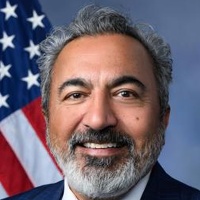
Ami Bera
Representative
CA-6
This resolution expresses support for designating the first Saturday after the Spring Equinox as the annual "National Day of Play." The goal is to encourage individuals to step away from electronic devices and engage in community events that promote play and social connection. This day recognizes the vital role of play in mental, physical, and social development.
Congress Backs New 'National Day of Play' Starting March 2026: A Push to Ditch Screens for Community Connection
This resolution formally supports designating the first Saturday after the Spring Equinox—specifically March 21, 2026, for the upcoming cycle—as the 'National Day of Play.' The measure aims to tackle the growing digital saturation of daily life by encouraging Americans to put down their smartphones and tablets in favor of physical play and local community events. While it doesn't mandate business closures or create a new federal paid holiday, it serves as an official nudge for local governments and organizations to host activities that get people moving and talking to one another in person.
The Digital Detox Initiative
The core of this resolution is a direct response to the mental and physical health challenges linked to high screen time. By setting a specific date—the Saturday following the Spring Equinox—the bill creates a predictable annual window for 'unplugging.' For a parent who feels like they’re constantly competing with an iPad for their child’s attention, or an office worker who spends ten hours a day staring at a monitor, this day is designed to provide a socially sanctioned excuse to disconnect. The text emphasizes that play is essential for social development, effectively framing 'fun' as a necessary component of public health rather than just a luxury.
Real-World Community Impact
Because this is a resolution of support rather than a funded mandate, the actual 'play' will depend on local execution. You might see your local parks department waive fees for recreation centers or neighborhood associations organizing block parties and sports tournaments. For a small business owner, like someone running a local toy store or a community gym, this could translate into a day of increased foot traffic and local engagement. The bill explicitly encourages participation in 'community events,' suggesting the goal isn't just to play solo in your backyard, but to rebuild the social fabric that often gets frayed when we only interact through apps.
The Long-Term Playbook
While the resolution is straightforward, its implications lie in how it shifts the conversation around wellness. By formalizing a National Day of Play, the House of Representatives is acknowledging that social isolation and sedentary digital habits are significant enough to warrant federal attention. There are no penalties for staying on your phone, and no new taxes are being levied to pay for it. Instead, it functions as a cultural signal. For the busy professional or the trade worker, it’s a reminder that the 'mental, physical, and social development' mentioned in the bill requires occasionally stepping away from the digital grind to engage with the physical world.