This resolution advocates for the fair treatment, transparency, and economic security of digital creators and platform workers by supporting portable benefits, clearer revenue-sharing, and stronger protections for independent entrepreneurs.
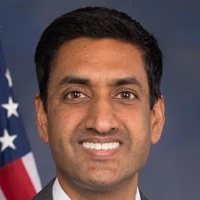
Ro Khanna
Representative
CA-17
This resolution expresses the House of Representatives' commitment to supporting digital creators and platform workers as essential small business owners. It advocates for greater transparency in platform algorithms and revenue sharing, the establishment of portable benefits, and stronger protections against worker misclassification. Ultimately, the bill aims to ensure these workers have the economic security, audience ownership, and fair treatment necessary to thrive in the modern digital economy.
New House Resolution Aims to Secure Portable Benefits and Algorithmic Transparency for 10 Million Digital Creators
The House of Representatives is signaling a major shift in how the government views the digital economy, moving to recognize the 10 million Americans who make a living on platforms as a distinct class of small business owners. This resolution outlines a framework to address the 'black box' nature of the creator economy, focusing on the fact that while these workers generate massive value for tech giants, they often operate without the basic safety nets—like health insurance or predictable pay—that traditional employees take for granted. The goal is to establish a new standard where digital work doesn't mean financial instability.
Benefits That Move With You
One of the most significant hurdles for freelancers and gig workers is the 'benefits trap'—the reality that if you leave a platform or a specific contract, your health insurance and retirement savings don't come with you. This resolution supports the creation of portable benefits systems, designed so that a graphic designer or a delivery driver can carry their healthcare and retirement plans across different platforms and gigs. Under these principles, your ability to see a doctor wouldn't be tied to a single app's terms of service, effectively treating digital workers like the independent entrepreneurs they are rather than temporary labor.
Cracking the Algorithmic Code
For anyone who has seen their income plummet because a platform changed its 'ranking signals' overnight, the sections on transparency are a big deal. The resolution pushes for clear, predictable revenue-sharing terms and demands that platforms pull back the curtain on the algorithms that dictate visibility and pay. It also addresses the 'hostage' situation many creators face, supporting the right for workers to maintain direct, opt-in relationships with their audiences. This means if you decide to move your business from one platform to another, you shouldn't have to leave your entire customer base behind and start from scratch.
Accountability in the Age of AI
As artificial intelligence begins to flood the digital space, this resolution sets a marker for protecting a creator’s identity and livelihood. It supports new standards for consent and accountability regarding synthetic media—essentially saying that AI shouldn't be used to mimic your voice or likeness without your permission. Furthermore, it calls for actual human support and clear appeal processes when a platform decides to demonetize or ban an account. While the resolution itself doesn't have the immediate force of law, it creates the blueprint for future regulations that could finally give digital workers the same legal standing and small business resources as the shop owner down the street.