The Wildfire Research Coordination Act of 2026 mandates interagency collaboration between the Departments of Defense, Agriculture, and the Interior to align and streamline federal fire science research and technology priorities.
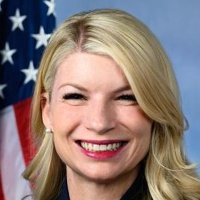
Brittany Pettersen
Representative
CO-7
The Wildfire Research Coordination Act of 2026 mandates a formal partnership between the Departments of Defense, Agriculture, and the Interior to align federal fire science research and technology priorities. By coordinating efforts across key programs, the Act aims to improve wildfire mitigation, modeling, and post-fire recovery strategies. Additionally, the legislation requires a report to Congress detailing the implementation of this interagency collaboration.
Wildfire Research Coordination Act Mandates Interagency Tech Sharing to Fight Fires by 2026
The Wildfire Research Coordination Act of 2026 forces the Department of Defense (DoD), the Department of Agriculture, and the Department of the Interior to stop working in silos and start syncing their wildfire tech. Within 180 days, the Secretary of Defense must sign a formal agreement to align research priorities across the government’s biggest environmental and fire programs. This isn't just about high-level meetings; it’s about making sure the scientists studying smoke patterns at the DoD are talking to the teams managing forest recovery at the Department of Agriculture. By requiring these agencies to share their 'homework' on everything from fire modeling to post-fire recovery, the bill aims to turn scattered federal research into a unified strategy for dealing with increasingly intense fire seasons.
Syncing the Science
This bill targets the overlap between the military’s environmental tech programs—specifically the Strategic Environmental Research and Development Program (SERDP) and the Environmental Security Technology Certification Program (ESTCP)—and the civilian Joint Fire Science Program. For a software developer or a construction worker in a fire-prone state, this means federal tax dollars are being used more efficiently to develop better predictive tools. Instead of two agencies building two different smoke-tracking apps, they’ll be required to coordinate on 'fire and smoke modeling' (Section 2). This coordination is designed to get better data into the hands of first responders faster, potentially leading to more accurate evacuation warnings and better-protected air quality for local communities.
From Lab to Land
The real-world impact of this coordination focuses on 'ecological resilience' and 'post-fire recovery.' For a small business owner in a timber town or a family living near a national forest, the bill’s emphasis on shared research means that the latest tech in soil stabilization and forest regrowth will be standardized across federal lands. By identifying shared priorities in 'mitigation' and 'response' (Section 2), the agencies are tasked with creating a roadmap for how we survive the aftermath of a blaze. To keep things moving, the Secretary of Defense has to hand over a progress report to Congress within one year, ensuring this isn't just a memo that sits on a shelf while the next fire season approaches.