The AI Ads Act amends federal election law to prohibit the use of AI-generated content for fraudulent misrepresentation and expands existing bans on deceptive campaign solicitations to apply to all persons.
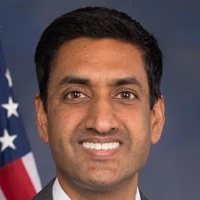
Ro Khanna
Representative
CA-17
The AI Ads Act updates federal election law to explicitly prohibit the use of AI-generated content in fraudulent misrepresentations of campaign authority or solicitations of funds. Furthermore, it expands existing bans to apply to any individual—not just candidates or campaign staff—who fraudulently claims to represent a political entity, regardless of the intent behind the misrepresentation.
AI Ads Act Bans Deepfake Impersonations and AI-Driven Fundraising Scams in Federal Elections
The AI Ads Act is a direct update to the Federal Election Campaign Act of 1971, designed to close loopholes created by generative artificial intelligence. At its core, the bill makes it a federal violation to use AI-generated content to falsely claim you are speaking on behalf of a candidate or to trick people into donating money under false pretenses. By explicitly adding AI-created content to the list of tools used for "fraudulent misrepresentation," the bill ensures that a deepfake video of a candidate endorsing a rival or a voice-cloned robocall asking for credit card info is treated with the same legal weight as a forged letter or a fake ID.
Digital Double Trouble
Under current law, the rules against impersonating a candidate were surprisingly narrow, mostly applying to candidates themselves or their staff. Section 3 of this bill blows those doors wide open. Now, any person—whether they are a lone-wolf hacker, a political consultant, or a bored prankster—is prohibited from using AI to pretend they represent a candidate, a party, or even a "fictitious" political committee. This means if someone creates a fake "Citizens for a Better Tomorrow" PAC using AI-generated avatars to solicit donations, they are on the hook for federal fraud regardless of whether they actually damaged a real candidate's reputation. It’s a move from "no harm, no foul" to a strict "no lying about who you are" policy.
Real-World Impact: From Inboxes to Ballots
For the average person, this bill acts as a digital shield against the increasingly blurry line between reality and code. Imagine a small business owner receiving a highly personalized AI video that looks and sounds exactly like a local congressional candidate asking for an emergency campaign contribution. Under this legislation, that specific act of AI-driven deception is clearly illegal. By removing the requirement that the misrepresentation must be "damaging" to a specific opponent, the bill focuses on the act of the lie itself. This protects voters from being misled by "positive" fakes too—like an AI-generated celebrity endorsement that never actually happened but was designed to boost a candidate's image.
Closing the Accountability Gap
The bill also addresses the reality of modern political shell games by including "fictitious political committees" in its language. In the past, bad actors could hide behind the names of organizations that didn't technically exist to avoid certain triggers in the law. Now, the Federal Election Commission has a clear mandate to go after anyone using AI to manufacture a fake political identity for the purpose of fundraising or spreading misinformation. While the bill is clear on intent, the real challenge will be in the technical enforcement—tracking down the source of AI content that can be generated in seconds and spread across the globe even faster.