This Act amends the Higher Education Act of 1965 to expand and modernize federal support for international research, foreign language instruction, and global professional education programs.
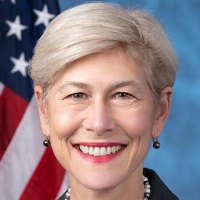
Deborah Ross
Representative
NC-2
The Advancing International and Foreign Language Education Act updates the Higher Education Act of 1965 to strengthen U.S. capacity in global education and language proficiency. The bill establishes new grant programs for international research, innovation, and global professional training to better align higher education with national security and workforce needs. Additionally, it streamlines existing programs by repealing duplicative requirements and expanding support for diverse institutions, including community colleges and minority-serving institutions.
New Education Bill Boosts Global Skills: Grants for Professional Fields and Foreign Language Study Set to Launch in 2027
The Advancing International and Foreign Language Education Act is a major push to modernize how Americans learn to navigate a global economy. Starting in fiscal year 2027, the bill overhauls Title VI of the Higher Education Act to move beyond traditional language studies, focusing instead on integrating global expertise directly into high-demand professional fields like STEM, health, and law. It authorizes "whatever sums are necessary" for five years to fund research, innovation, and new curriculum models that aim to make U.S. workers more competitive on the world stage.
More Than Just Vocabulary
One of the most practical shifts in this bill is how it treats graduate education. Under Section 2, graduate students can now get support for foreign language study that is specifically tailored to their area of specialization. Imagine a nurse practitioner student specializing in rural health who can now receive funding to study intermediate Spanish specifically for medical contexts, or a tech student learning Mandarin to better understand global supply chains. By allowing beginning through advanced study to count as an eligible activity, the bill recognizes that being "fluent" in a professional field often requires a very specific kind of language skill that traditional programs might miss.
A Research Hub for Global Skills
Section 3 of the bill creates a new International Research and Innovation grant program. This isn’t just for ivory-tower academics; it’s designed to figure out where the gaps are in our national workforce. The Secretary of Education is tasked with building a national database to track which languages we are learning and where the jobs are. For a student or a career-changer, this could eventually mean better data on which skills actually lead to a job. The bill also puts a spotlight on "heritage students"—those who grew up in homes where a non-English language was spoken—by creating partnerships to help them turn those existing cultural skills into professional credentials.
Bringing Global Context to the Trades and Professions
Perhaps the biggest change is the rebranding of business programs into "Global Business and Professional Education" programs in Section 4 and 5. This isn't just for MBAs anymore. The bill specifically targets fields like agriculture, engineering, and energy. It sets up a competitive grant system where colleges can partner with businesses to create internships abroad or specialized teaching materials. For a student at a community college or a minority-serving institution, there’s a built-in safety net: while most grants require a 50% or 33% financial match from the school, the Secretary has the power to waive these costs for schools that demonstrate financial need, ensuring that global opportunities aren't reserved for elite universities.
The Fine Print and Future Hurdles
While the bill is largely beneficial, it does grant the Secretary of Education significant "Vague Authority" to decide which professional fields meet a "national need." This means the focus of the funding could shift depending on who is in office. Additionally, Section 5 requires that new innovation projects show a "demonstrable expectation of sustainability." For a small community college trying to start a new global tech program, proving they can keep the lights on after the grant money runs out might be a high bar to clear. Because the bill relies on future appropriations starting in 2027, the actual impact will depend heavily on whether Congress follows through with the cash to back up these ambitious goals.