The Safe Spaces for All Act expands the allowable uses of DHS Nonprofit Security Grant Program funds to include hiring security personnel and covering costs associated with the grant application process.
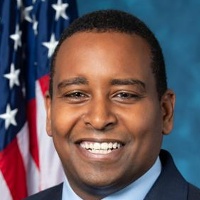
Joe Neguse
Representative
CO-2
The Safe Spaces for All Act expands the DHS Nonprofit Security Grant Program to provide organizations with greater flexibility in securing their facilities. The bill allows grant funds to be used for hiring onsite security personnel and off-duty police officers, while also covering costs associated with the grant application and administration process.
Safe Spaces for All Act Expands Security Grants: Nonprofits Can Now Use Funds for Off-Duty Police and Application Costs
The Safe Spaces for All Act updates the DHS Nonprofit Security Grant Program to give local organizations more flexibility in how they protect their facilities. By amending the Homeland Security Act of 2002, the bill broadens the list of 'allowable uses' for grant money, moving beyond basic equipment to cover the actual people needed to keep a site safe. Specifically, it explicitly allows nonprofits to use federal funds to hire onsite security personnel and off-duty police officers, making it easier for community centers or houses of worship to have a professional security presence during high-traffic events.
Funding the Front Line
In the past, navigating federal grants could be a catch-22: you need the money to stay safe, but you need money upfront just to hire the experts to write the grant. This bill addresses that hurdle by allowing organizations to use the grant itself to cover the costs of applying. Under Section 2, nonprofits can now use up to 5 percent of their total award to pay for staff or consultants who handle the paperwork and submission process. This change means a small community nonprofit that doesn’t have a dedicated legal or administrative team can now afford the professional help needed to secure these funds in the first place.
Putting Boots on the Ground
Beyond the paperwork, the bill shifts the focus toward active protection. By explicitly listing off-duty police officers as an approved expense, the legislation provides a clear path for organizations to coordinate with local law enforcement for specialized security. For a local community center hosting a large youth event or a religious organization facing increased threats, this provision removes the guesswork about whether federal funds can be used to put a uniformed officer at the door. It treats security as a dynamic need—prioritizing human personnel who can respond to situations in real-time rather than just relying on cameras or fences.