The No Campaign Funded Cover-Ups Act prohibits federal candidates and officeholders from using campaign contributions or legal expense funds to pay for settlements, legal fees, or private investigations related to sexual assault and harassment claims.
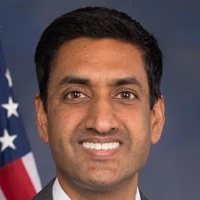
Ro Khanna
Representative
CA-17
The "No Campaign Funded Cover-Ups Act" prohibits federal candidates and officeholders from using campaign contributions or legal expense funds to pay for settlements, judgments, or legal defenses related to sexual assault, abuse, or harassment claims. The bill also bans the use of these funds to hire private investigators or conduct opposition research against accusers. Additionally, it mandates increased transparency by requiring political committees to provide detailed public disclosures for all legal expenditures.
No Campaign Funded Cover-Ups Act: New Rules Ban Using Political Donations to Pay for Sexual Misconduct Defense and Settlements
When you donate twenty bucks to a candidate, you probably assume it’s going toward TV ads, yard signs, or maybe a bus for a campaign tour. You likely don’t expect it to pay for a private investigator to dig up dirt on someone accusing that candidate of sexual harassment. The 'No Campaign Funded Cover-Ups Act' aims to draw a hard line between political spending and personal legal defense. Under this bill, federal candidates and officeholders are strictly prohibited from using campaign contributions or legal expense funds to pay for lawyers, settlements, or court judgments related to claims of sexual assault, abuse, or harassment. It essentially tells politicians that if they are facing these specific types of serious personal allegations, they can’t reach into the campaign war chest to make the problem go away.
Closing the Professional Defense Loophole
The bill isn’t just about the lawyers in the courtroom; it targets the machinery often used behind the scenes. Specifically, Section 2 bans using campaign cash to hire private investigators to look into an accuser or to pay for 'opposition research' intended to find embarrassing information about them. For a regular person—say, a retail manager or a construction worker—legal fees for personal conduct come out of their own pocket. This bill applies that same logic to DC, treating these payments as a 'conversion to personal use.' The only way a politician gets that money back is through a reimbursement if they are actually found not liable by a court or official decision-maker. Otherwise, the bill is clear: your donors aren't your personal insurance policy for misconduct claims.
Receipts for the Public
Transparency is the other half of this equation. Currently, legal fees can sometimes be buried in broad categories on financial reports, making it hard to see exactly what a campaign is paying for. Section 3 of the bill changes the rules for political committees, requiring them to disclose the 'general nature and purpose' of every legal disbursement. They’ll have to list who got the money, the date, the amount, and specifically whether it was for representation, a settlement, or a judgment. If you’re a busy professional trying to keep tabs on where your money goes, this means the FEC reports will now have much more detail, making it harder for these expenses to hide in plain sight.
Looking Back to Move Forward
One of the most significant parts of this bill is its 'look-back' provision. The restrictions don’t just start the day the bill is signed; they apply to any payment made up to two years before the Act becomes law. This means if a candidate recently used donor funds to settle a harassment claim, they could find themselves in hot water retroactively. While this might create some administrative headaches for compliance officers and campaign lawyers, the goal is to ensure that the era of using political donations as a shield for personal misconduct comes to an end. It’s a straightforward move toward accountability that treats campaign funds as what they are: money for a mission, not a get-out-of-jail-free card.