The AI Transparency in Elections Act of 2026 mandates clear and conspicuous disclaimers on all political advertisements that feature content substantially generated or altered by artificial intelligence.
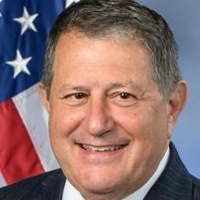
Joseph Morelle
Representative
NY-25
The AI Transparency in Elections Act of 2026 mandates clear and conspicuous disclaimers on all political advertisements that feature content substantially generated or altered by artificial intelligence. This legislation aims to increase voter awareness by requiring specific disclosures for AI-generated images, audio, and video used in campaign communications. The Federal Election Commission is tasked with enforcing these requirements and establishing regulatory standards to ensure compliance.
New AI Transparency Rules Require Disclaimers on Political Ads: $50,000 Fines for Hidden Deepfakes Starting in 2026.
The AI Transparency in Elections Act of 2026 is stepping in to make sure you know exactly what you’re looking at when you scroll through your feed or watch TV during election season. It mandates that any political ad—whether it’s a video, a radio spot, or a mailer—must include a clear and conspicuous disclaimer if it uses images, audio, or video that were 'substantially generated' by artificial intelligence. This isn't just about high-tech deepfakes; it covers any generative AI used to materially alter a candidate’s likeness or voice in ads that run within 120 days of an election. The bill sets a hard line: if you use the tech to change the message, you have to admit it to the voters.
Labeling the Digital Double
Under Section 2, the rules for these labels are pretty strict to make sure they don't just disappear into the fine print. For video ads, a written disclaimer must stay on the screen for the entire duration, and an audio version must be spoken clearly for at least four seconds at either the beginning or the end. If you’re a campaign manager or a local grassroots group, this means your production workflow just got a new checklist item. For the rest of us, it means if we see a video of a candidate saying something wild, there should be a permanent text box on the screen telling us if AI helped put those words in their mouth. The bill defines 'substantially generated' as anything that creates a fundamentally different understanding of the original media, so minor touch-ups like color correction won't trigger the warning, but swapping a background or altering a voice definitely will.
The Cost of Cutting Corners
The Federal Election Commission (FEC) is the new sheriff in town for AI, and they aren't playing around with the penalties. If a group runs an ad without the proper 'AI-generated' tag, they could face civil penalties of up to $50,000 per communication. To keep things moving fast, the bill speeds up the legal process, requiring judicial reviews of complaints within 45 days instead of the usual four months. This is a big deal for small political committees or local candidates who might not have a massive legal team; one mistake in an AI-edited social media clip could lead to a fine that wipes out their entire remaining budget. The FEC has just 90 days after the bill passes to finalize the technical details, but the rules take effect immediately, meaning campaigns have to be ready to comply from day one.
Grey Areas and Reality Checks
While the goal is transparency, there’s some room for debate in the 'fine print' of the bill’s language. Section 2 mentions that 'minor alterations' don't need a label, but it doesn't give a pixel-by-pixel definition of what counts as minor. This could lead to a bit of a cat-and-mouse game between tech-savvy consultants and FEC regulators. For example, if a campaign uses AI to make a candidate look more tired or older in an opponent's ad, is that a 'material alteration' or just a creative choice? We’ll likely see these definitions tested in court. Additionally, the bill requires the FEC to report back every two years on how well people are following the rules, ensuring that as AI tech gets smarter, the regulations have a chance to catch up.