The LEARN AI Act directs the Department of Labor to promote workforce readiness by supporting the integration of artificial intelligence training into registered apprenticeship programs.
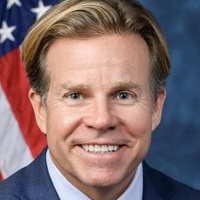
Mike Haridopolos
Representative
FL-8
The LEARN AI Act promotes workforce readiness by encouraging the integration of artificial intelligence training into registered apprenticeship programs. It authorizes the Department of Labor to provide best practices, technical assistance, and resources to help employers and educators adapt to technological advancements. Notably, the bill supports these initiatives without mandating changes to existing apprenticeship standards.
LEARN AI Act: New Federal Push to Add Artificial Intelligence Skills to Trade Apprenticeships
The LEARN AI Act is a straightforward piece of legislation designed to bring the traditional apprenticeship model into the digital age. By establishing a national policy that favors AI readiness, the bill authorizes the Secretary of Labor to help registered apprenticeship programs—the kind used by everyone from electricians and plumbers to software developers—incorporate AI tools and applications into their training. It focuses on creating a library of best practices and providing technical assistance to employers and labor unions who want to modernize their curriculum without having to figure it all out from scratch.
Tech Skills for the Job Site
Under Section 2, the Department of Labor gains the authority to disseminate "best practices for the responsible use of artificial intelligence." For a worker currently in a three-year apprenticeship, this could mean the difference between learning only legacy systems and getting hands-on experience with AI-driven diagnostic tools or project management software. The bill specifically targets "registered apprenticeship programs" (those recognized under the National Apprenticeship Act of 1937), ensuring that these new tech competencies are integrated into programs that already meet federal quality standards.
Voluntary Upgrades, Not Mandates
A crucial detail for small business owners and apprenticeship sponsors is found in the "No Required Changes" provision. The bill explicitly states that nothing in this legislation requires a program to adopt AI instruction or alter its existing standards. This means a local carpentry union or a small manufacturing shop won't be penalized or forced to overhaul their current training if AI isn't relevant to their specific craft. It’s an opt-in system: the government provides the resources and technical support (Sec. 2(b)(3)), but the individual programs decide if and when to pull the trigger on these updates.
Bridging the Productivity Gap
By focusing on "workforce readiness," the act attempts to prevent a scenario where blue-collar or technical trades are left behind as AI reshapes the economy. For an office worker, AI might be a new spreadsheet tool; for a trade worker, it might be an AI-powered sensor system. This bill aims to provide the technical assistance needed for labor organizations and educational institutions to bridge that gap. Because it relies on the Secretary of Labor to "support all Department of Labor efforts" regarding technological change, it essentially creates a green light for the department to prioritize AI literacy as a core component of modern vocational training.