This bill prohibits all United States contributions to the United Nations Relief and Works Agency (UNRWA) while establishing strict vetting requirements for alternative humanitarian aid providers.
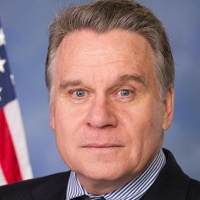
Christopher "Chris" Smith
Representative
NJ-4
The Stop Support for UNRWA Act of 2026 prohibits the United States from providing any voluntary or assessed contributions to the United Nations Relief and Works Agency (UNRWA). While it bars direct funding to the agency, the bill allows for humanitarian aid to be delivered through alternative organizations, provided they are certified to be free of ties to terrorism, violence, or antisemitism.
U.S. to Halt All UNRWA Funding: 2026 Bill Mandates Strict New Vetting for Palestinian Aid.
The Stop Support for UNRWA Act of 2026 cuts off all U.S. financial contributions to the United Nations Relief and Works Agency for Palestine Refugees in the Near East (UNRWA). Whether the money is voluntary or part of a required assessment, Section 2 of the bill puts a hard stop on the cash flow. While the U.S. can still provide humanitarian aid to the people who usually rely on UNRWA, that money now has to bypass the agency entirely and flow through different organizations. Think of it like a company deciding to stop using a specific shipping vendor because of safety concerns; the packages still need to get to the customers, but they have to find a completely new delivery route.
The New Vetting Standard
Before a single dollar of alternative aid can be sent, the Secretary of State has to perform a deep dive into the new partner organizations. Under Section 2, the Secretary must certify to Congress that these groups—and their employees—don't promote or affiliate with anyone linked to violence, terrorism, or antisemitism. This is a high bar for compliance. For a humanitarian worker on the ground, this means their employment history and public statements will be under a microscope. If a small non-profit in the region wants to help distribute food or medicine using U.S. funds, they now face a rigorous federal audit to prove they have no ties to extremist rhetoric.
Bottlenecks and Practical Hurdles
While the bill aims to ensure tax dollars don't fund bad actors, the practical rollout could be messy. UNRWA currently handles a massive amount of infrastructure—schools, clinics, and food distribution centers. Moving those services to new agencies isn't as simple as changing a bank account. For a family relying on a specific clinic for insulin or a child attending an UNRWA-run school, this transition could mean significant delays or a total loss of services if alternative agencies can't get certified quickly. The 'medium' level of vagueness in the bill regarding what counts as 'espousing' or 'promoting' violence means the certification process could get bogged down in legal or political debates, potentially leaving aid sitting in a warehouse while the paperwork clears.
Impact on the Ground
The immediate effect will be felt most by the refugees who depend on these services for daily survival. By pulling the plug on the primary agency in the region, the bill creates a high-stakes transition period. If you’re a logistics manager for a global NGO, your job just got ten times harder; you have to prove not just that your organization is clean, but that every single person you hire is too. While the bill provides a mechanism to keep aid flowing through 'vetted' channels, the sheer scale of UNRWA’s current operations means that replacing them could lead to a gap in essential services like healthcare and education for millions of people.