The PREVENT ESRD Act establishes a 10-year multipayer demonstration program that incentivizes health plans to improve early kidney disease screening and treatment to reduce the progression to end-stage renal disease and generate Medicare savings.
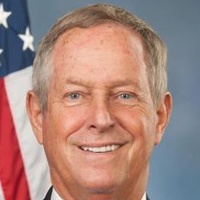
Joe Wilson
Representative
SC-2
The PREVENT ESRD Act aims to reduce the prevalence of end-stage renal disease (ESRD) by improving early screening, diagnosis, and treatment for kidney disease. The bill establishes a 10-year multipayer demonstration program that incentivizes health plans to provide proactive kidney care by allowing them to share in the resulting Medicare savings. Additionally, the legislation mandates a federal listening session to identify policy solutions and improve patient outcomes for those at risk of kidney failure.
PREVENT ESRD Act Proposes 10-Year Medicare Savings Program to Stop Kidney Failure Before It Starts
Kidney disease is a quiet crisis affecting 36 million Americans, and the PREVENT ESRD Act aims to flip the script on how we treat it. Starting January 1, 2027, the bill establishes a decade-long demonstration program designed to catch kidney issues early through mandatory screenings and expanded access to specialized care. By offering private insurance plans, Medicaid, and Medicare Advantage a 25% cut of the savings they generate for Medicare by keeping patients off dialysis, the government is betting that financial incentives can drive better health outcomes. This isn't just about the $50 billion Medicare spends annually on kidney failure; it’s about providing patients with nutrition education, genetic testing, and the latest FDA-approved drugs before their condition becomes a life-altering emergency.
The Incentive for Early Action
Under this plan, your insurance provider effectively becomes a partner in your long-term kidney health. To get a piece of those Medicare savings, participating plans must offer 'specified kidney care services' with the lowest possible cost-sharing, meaning less out-of-pocket stress for you on things like urinalysis or disease management support. Imagine a construction worker with high blood pressure who usually skips the doctor; under this bill, their plan would be required to provide zero-cost kidney screenings during annual checkups. By catching a decline in function at Stage 2 instead of Stage 4, the plan saves money on future dialysis costs, and the worker avoids a grueling medical regimen that would take them off the job site.
Data, Dollars, and Discretion
While the goal is to keep people healthy, the bill gives the Secretary of Health and Human Services significant 'vague authority' to decide exactly which drugs are covered and how 'success' is measured. The Secretary will set benchmarks for each plan based on historical data, and if a plan's patients progress to kidney failure at a lower rate than expected, the plan gets paid. There is a risk here that plans might try to 'cherry-pick' healthier enrollees to make their numbers look better, though the bill includes anti-avoidance rules to penalize this. For the average office worker or freelancer, the real-world impact depends entirely on whether their specific insurance provider chooses to opt into this voluntary program and how strictly the government polices the quality of care provided.
Investing in the Long Game
To get the ball rolling, the bill allows for 'advance investment payments' to help insurance plans set up the infrastructure needed for better kidney care, such as hiring community health workers or implementing telehealth services. This is a pragmatic move acknowledging that better care requires upfront cash, but it also means taxpayers are on the hook for $5 million in annual administrative costs through 2038. The ultimate success of the PREVENT ESRD Act hinges on an independent evaluation six years in, which will determine if this 'pay-for-prevention' model actually keeps people off the transplant list or if it simply becomes another complex layer of healthcare bureaucracy. For now, it represents a shift toward treating chronic illness as a preventable hurdle rather than an inevitable expense.