This bill requires the Small Business Administration to follow standard public notice-and-comment procedures when issuing rules related to loans, grants, contracts, and other benefits.
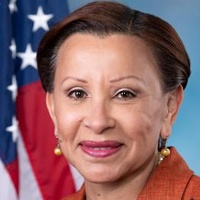
Nydia Velázquez
Representative
NY-7
The Maintaining Small Business Engagement Act of 2026 requires the Small Business Administration (SBA) to follow formal notice-and-comment rulemaking procedures for all rules involving loans, grants, benefits, and contracts. By removing existing exemptions, this bill ensures greater transparency and public participation in the creation of SBA policies that impact small businesses.
Small Business Administration Faces New Transparency Rules: Public Input Required for Loan and Grant Changes Starting in 2026
The Maintaining Small Business Engagement Act of 2026 aims to pull back the curtain on how the Small Business Administration (SBA) makes decisions that affect your bottom line. Under current law, the SBA can often bypass the standard public notice-and-comment period when they change rules regarding loans, grants, or federal contracts. This bill moves to end that shortcut, requiring the agency to follow the same public rulemaking procedures as most other federal departments. By stripping away the exemption found in Section 553 of the Administrative Procedures Act, the SBA would be legally obligated to let the public see and weigh in on proposed changes before they become official policy.
Opening the Suggestion Box
Think of this as a mandatory 'reply all' for government policy. In the past, if the SBA wanted to tweak the requirements for a popular loan program or change the criteria for a small business grant, they could sometimes do it behind closed doors because these topics were considered 'exempt' from public scrutiny. This bill changes the game by requiring a formal notice-and-comment process. For a local construction firm owner or a tech startup founder, this means the government can’t just move the goalposts on a contract or a loan application overnight. You’ll get a chance to read the proposal and submit your feedback, ensuring that the people actually doing the work have a voice in the rules that govern them.
Real-World Accountability
This isn't just about paperwork; it's about predictable business environments. For example, if the SBA decides to change the definition of what qualifies as a 'small business' for a specific federal grant, they would first have to publish that plan and wait for public reactions. This prevents 'surprise' regulations that can disrupt a business owner’s multi-year planning. By forcing the SBA to listen to the public, the bill aims to catch practical flaws in a plan—like a deadline that’s impossible for a mom-and-pop shop to meet—before the rule is set in stone. It’s a move toward a more transparent system where the people affected by the rules get a seat at the table.