This bill directs the Secretary of Health and Human Services to provide states with strategies for using Medicaid and CHIP to improve the recruitment, training, and retention of mental health and substance use disorder providers, particularly in underserved areas.
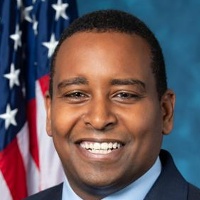
Joe Neguse
Representative
CO-2
The Expand the Behavioral Health Workforce Now Act directs the Secretary of Health and Human Services to provide states with guidance on utilizing Medicaid and CHIP to strengthen the mental health and substance use disorder workforce. This initiative focuses on improving the education, training, recruitment, and retention of providers, with a specific emphasis on expanding access to care in rural and underserved communities.
Behavioral Health Workforce Act Mandates Federal Roadmap to Boost Medicaid Mental Health Staffing by 2025.
The Expand the Behavioral Health Workforce Now Act is essentially a strategic play to fix the shortage of mental health and substance use disorder professionals. Within 12 months of becoming law, the Secretary of Health and Human Services (HHS) must deliver a comprehensive playbook to states. This guidance will show state governments exactly how to use Medicaid and CHIP (the Children’s Health Insurance Program) funds to better educate, recruit, and keep providers on the payroll. It specifically targets the regions where help is hardest to find—rural towns and underserved urban neighborhoods.
Mapping Out the Care Grid
The core of this bill is about clearing the bureaucratic path. Section 2 requires HHS to explain how states can use '1115 waivers'—basically special permissions to test new ways of running Medicaid—to fund workforce training. For a nurse practitioner in a rural county or a social worker in a high-demand city clinic, this could mean new state-level programs for tuition assistance or better retention bonuses. By showing states how to tap into existing federal authorities under Titles XIX and XXI of the Social Security Act, the bill aims to turn the 'help wanted' signs in community health centers into actual appointments for patients.
From Policy to the Patient
While the bill focuses on administrative guidance, the real-world goal is shorter wait times and more local options for care. If you are a parent trying to find a counselor for your child through CHIP, or an office worker seeking substance use treatment through Medicaid, the impact is meant to be felt at the clinic door. The 'Medium' vagueness here means while the bill sets a strict one-year deadline for the federal government to act, the actual results depend on how aggressively your specific state decides to follow the new roadmap. It creates the opportunity for a surge in local specialists, but it doesn't force states to hire them; it simply gives them the financial and legal tools to make it happen.