The C.A.R.E. for Mental Health Professionals Act establishes a grant program to support interstate compacts that facilitate the recognition of mental health professional licenses across state lines.
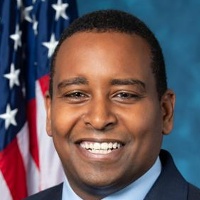
Joe Neguse
Representative
CO-2
The C.A.R.E. for Mental Health Professionals Act establishes a federal grant program to support interstate compacts that allow mental health professionals to practice across state lines. By facilitating the mutual recognition of licenses, this legislation aims to expand the mental health workforce and improve access to care nationwide.
C.A.R.E. Act Proposes $16 Million Boost for Multi-State Mental Health Licensing by 2026
The C.A.R.E. for Mental Health Professionals Act aims to cut through the red tape that currently prevents mental health providers from working across state lines. By establishing the Mental Health Licensure Portability Program under the Health Resources and Services Administration (HRSA), the bill sets aside $4 million annually from 2026 through 2029 to fund grants for interstate compacts. These compacts are essentially mutual recognition agreements: if a counselor is licensed in one participating state, they can more easily practice in another. This move is designed to modernize a system that often leaves therapists tethered to a single geography, even as telehealth makes borderless care technically possible.
Breaking the Border Barrier
Currently, a psychologist in one state might be just a few miles from a patient in another, yet legally unable to treat them without jumping through months of bureaucratic hoops to get a second license. This bill targets that bottleneck by funding the "commissions" that manage these interstate agreements. For a social worker or pediatric counselor, this means less money spent on duplicate licensing fees and less time spent on paperwork. For the workforce, it means the ability to move for a spouse’s job or a change of scenery without hitting a professional reset button, effectively creating a more fluid and responsive pool of mental health talent.
Access Beyond Zip Codes
The real-world impact hits hardest for those living in "mental health deserts" or rural areas where specialists are scarce. If you’re a parent in a small town looking for a specific type of pediatric counseling that isn't available locally, this legislation paves the way for you to connect with a licensed pro three states away via telehealth. By supporting the infrastructure of these compacts, the bill encourages states to play nice with each other’s credentials, ensuring that a therapist's expertise isn't trapped by state lines. It’s a logistical fix for a supply-and-demand problem, aiming to make sure care can actually get to the people who need it, regardless of their zip code.
The Cost of Connection
While the bill provides the financial "carrot" to get these programs running, the success of the initiative depends on individual state boards choosing to join the club. The $16 million total investment over four years is specifically earmarked to help these boards and commissions develop the tech and administrative systems needed to track licenses across borders. It’s a pragmatic approach to a growing crisis: rather than trying to create a single federal license, the government is footing the bill to help states sync their existing systems, making the professional lives of counselors a little easier and the search for a therapist a lot less frustrating for patients.