The PASTOR Act of 2026 mandates that Medicare-participating healthcare providers grant patients access to their requested clergy members, even during public health emergencies.
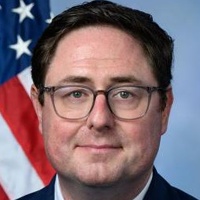
Mike Flood
Representative
NE-1
The PASTOR Act of 2026 ensures that Medicare-participating healthcare providers grant patients access to their designated clergy upon request. This right remains protected even during public health emergencies, provided that clergy members adhere to established safety protocols.
Medicare Providers Must Allow Clergy Visits Starting 2028: New Protections for Spiritual Care During Emergencies
The Protecting Access to Spiritual Treatment and Organized Religion (PASTOR) Act of 2026 aims to ensure that a hospital stay doesn’t mean being cut off from spiritual support. Starting January 1, 2028, any healthcare provider that participates in Medicare will be legally required to allow a patient’s designated member of the clergy to visit upon the patient's request. This isn't just a suggestion for quiet hours; it’s a formal amendment to the Social Security Act that cements the right to spiritual counsel as part of the patient experience.
The Lockdown Loophole Closed
One of the most significant parts of this bill is how it handles crises. Under Section 2, these visitation rights remain active even if the Secretary of Health and Human Services waives other standard regulations during a public health emergency. We all remember the isolation many faced during the COVID-19 pandemic; this provision is designed to prevent that specific kind of loneliness in the future. Whether it’s a local outbreak or a national crisis, the bill ensures that if you’re in a Medicare-funded bed and want your priest, rabbi, or imam there, the facility can’t simply say 'no' based on emergency waivers.
Safety First, Spirit Second
While the bill opens the door for clergy, it doesn’t give them a free pass to ignore hospital rules. The legislation specifies that visiting clergy members must strictly follow all safety measures and protocols established by the Secretary of Health and Human Services. This means if a hospital requires specific PPE, vaccinations, or sanitation routines to enter a wing, the clergy member has to mask up and scrub in just like a staff member would. It’s a balance intended to keep the patient’s spirit lifted without putting the rest of the ward’s health at risk.
What This Means for the Front Lines
For the average person, this means one less thing to worry about during a family medical crisis—you won't have to argue with a floor manager to get a spiritual leader into the room. However, for the folks running the hospitals and clinics, there’s some homework ahead. Providers will need to develop systems to verify 'designated' clergy and manage these visits without disrupting medical care. While the bill is short and direct, the real-world impact will depend on how smoothly hospitals can integrate these visitors into their daily workflow, especially when the next public health emergency hits.