The Improving CARE for Youth Act prohibits state Medicaid programs from denying payment for mental health, substance use, or primary care services solely because they are provided on the same day.
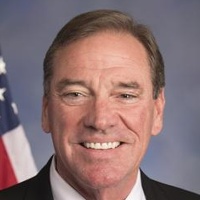
Neal Dunn
Representative
FL-2
The Improving CARE for Youth Act aims to increase access to integrated healthcare by prohibiting state Medicaid programs from denying payment for same-day primary care and mental health or substance use disorder services. By removing these billing barriers, the bill ensures that patients can receive comprehensive, coordinated care during a single visit.
Improving CARE for Youth Act Ends Medicaid 'Same-Day' Reimbursement Bans for Mental Health and Primary Care
The Improving CARE for Youth Act tackles a bureaucratic glitch that has long frustrated both patients and providers: the 'same-day' service denial. Under current rules in many states, if a person on Medicaid sees a doctor for a physical checkup and then sees a counselor for mental health or substance use treatment in the same building on the same day, the insurance might only pay for one of those visits. This bill amends Section 1902 of the Social Security Act to explicitly prohibit state Medicaid programs from denying payment just because these services happened on the same calendar day. By defining a 'same-day qualifying service' in a new subsection (zz), the law ensures that whether you are at a federally qualified health center, a rural clinic, or a private office, the facility can actually get paid for providing comprehensive care in one trip.
One Trip, Two Appointments
For a busy parent or a worker in a rural area, getting to a clinic can be a logistical mountain to climb involving time off work, childcare, and gas money. Imagine a young adult visiting their primary care doctor for a persistent cough, and during that visit, they disclose they are struggling with severe anxiety or a substance use issue. Under the current fragmented system, that clinic might tell the patient to come back another day for a mental health consult simply because they can’t bill for both today. This bill changes that reality. It allows the clinic to provide a mental health or substance use disorder service immediately following a primary care visit—or vice versa—without the fear of a financial penalty from the state. This creates a 'one-stop-shop' model that respects the patient’s time and ensures they get help the moment they ask for it.
Cutting the Red Tape for Clinics
The impact here is just as big for the people running the healthcare front lines. Small clinics, particularly those in underserved or rural areas, often operate on razor-thin margins. When Medicaid refuses to reimburse for a legitimate second service provided on the same day, the clinic either eats the cost or is forced to provide less-than-ideal care by making the patient reschedule. By clearing up the definition of 'same-day qualifying service' to include physicians or practitioners working under the same contract or facility, the bill removes a major administrative headache. It allows facilities like Federally Qualified Health Centers (FQHCs) to integrate their services fully, meaning a patient can walk down the hall from their doctor to a specialist without the billing department hitting a brick wall.
Better Outcomes Through Integration
Beyond the convenience, this shift is about the long game of health. We know that physical and mental health are deeply connected, yet our billing systems often treat them like they exist on different planets. By ensuring that substance use disorder services are reimbursable on the same day as a physical exam, the bill encourages providers to screen for these issues more frequently. If a doctor can treat a patient’s high blood pressure and their depression in a single afternoon and know the lights will stay on because the bills will be paid, the patient is far more likely to stick with their treatment plan. It’s a common-sense update that replaces a rigid, outdated accounting rule with a system that actually mirrors how people need to receive care in the real world.