This bill establishes a federal grant program to support states in creating and maintaining dedicated offices of women’s health to improve public education, address health disparities, and coordinate essential resources for women across their lifespan.
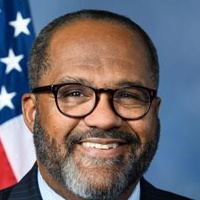
Troy Carter
Representative
LA-2
The State Offices of Women’s Health Support and Expansion Act establishes a federal grant program to help states create or maintain dedicated offices focused on improving women’s health outcomes. These offices will coordinate public education, address social determinants of health, and develop evidence-based policy recommendations through community-led advisory panels. The bill also includes robust privacy protections for health data and prohibits the use of grant funds to restrict access to or misrepresent medically accurate reproductive health information.
New $55 Million Grant Program to Build State Women’s Health Offices Through 2031
The State Offices of Women’s Health Support and Expansion Act is a direct move to put more resources into the hands of state health departments specifically for women. Starting in 2027, the federal government plans to roll out $55 million annually in grants to help states either start a dedicated Office of Women’s Health or beef up the one they already have. Half the money gets split evenly among participating states, while the other half is handed out based on a formula that looks at things like maternal mortality rates, poverty levels among women, and how many women live in rural areas. It’s a targeted attempt to make sure the money goes where the health outcomes are currently the toughest.
More Than Just a Doctor’s Visit
This bill isn't just about clinical care; it’s looking at the stuff that happens between appointments. Under Section 229A, states can use this cash to tackle 'social determinants of health'—that’s policy-speak for the real-world hurdles like finding reliable childcare, dealing with housing instability, or figuring out transportation to a clinic. For a woman working two jobs in a rural county, this could mean state-led initiatives that finally address why it’s so hard to get to a specialist. The bill also requires states to set up a 'clearinghouse' for data, meaning they have to collect and share info on everything from heart disease to maternal morbidity so that local doctors and regular citizens actually know what the biggest risks are in their own backyard.
The Fine Print on Privacy and Providers
Because health data is sensitive, the bill includes some pretty strict 'no-go' zones. Section 2 of the Act explicitly forbids this data from being shared with big tech platforms or used in any legal proceedings, including criminal prosecutions or civil lawsuits. It also sets a hard line on what these offices can say: they are strictly prohibited from using the funds to discourage anyone from seeking lawful health services like abortion, contraception, or hormone therapy. They also can’t 'suppress or misrepresent' evidence-based info on things like medication abortion or vaccines. Essentially, the bill tries to ensure that if you’re getting information from a state office funded by these grants, it has to be medically accurate and scientifically backed.
Local Voices at the Table
To keep these offices from becoming just another disconnected government silo, the bill mandates a 'Community Stakeholder Advisory Panel.' This isn't just for show; the panel has to meet at least once a year and must include a mix of people like OB-GYNs, representatives from rural health clinics, and individuals from communities hit hardest by health disparities. For someone managing a local non-profit or a community health center, this is a formal seat at the table to tell the state exactly where the system is failing. The goal is to ensure that when the state writes its annual report to the federal government, it’s reflecting the actual needs of women on the ground, not just shuffling paperwork in the capital.