The Federal Employee Financial Protection Act of 2026 prohibits credit reporting agencies from recording negative information against federal employees during government shutdowns and encourages private lenders to offer payment flexibility.
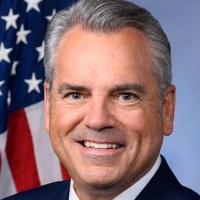
Mark Alford
Representative
MO-4
The Federal Employee Financial Protection Act of 2026 prevents credit reporting agencies from recording negative information against federal employees who miss payments due to a government shutdown. The bill mandates that these missed payments be treated as timely and encourages private lenders to offer forbearance and fee waivers to affected workers.
Federal Shutdown Protection Bill Bans Negative Credit Hits for Furloughed Workers During Pay Lapses
When the federal government hits a funding stalemate and shuts down, thousands of employees are left in a financial lurch—working without a paycheck or sitting at home furloughed. The Federal Employee Financial Protection Act of 2026 steps in to ensure that a political standoff in D.C. doesn't wreck a worker's credit score. Under Section 2, if a federal employee misses a mortgage or credit card payment because their pay is delayed during a lapse in appropriations, consumer reporting agencies are strictly prohibited from flagging that account as late. In fact, the bill requires these agencies to treat the account as if the payment was made on time, effectively freezing the clock on your credit health until the government gets its act together.
Shielding Your Credit Score
This isn't just a suggestion; it’s a hard mandate for credit bureaus. For example, if a TSA agent or a park ranger can't cover their car loan in October because of a shutdown, the reporting agency cannot include that negative information in their credit report. The bill defines a 'covered employee' as anyone furloughed or required to work without pay, and the 'covered period' spans the entire duration of the pay delay. To make sure this happens fast, the Director of the Bureau of Consumer Financial Protection (CFPB) is required to finalize the ground rules for this protection within 30 days of the bill becoming law. This quick turnaround is designed to prevent administrative lag from hurting workers before the system catches up.
The Private Lender Handshake
While the credit reporting side is a strict rule, the bill takes a softer approach with the banks and lenders themselves in Section 3. It issues a 'Sense of Congress'—basically a formal nudge—encouraging private lenders to offer temporary forbearance, waive late fees, and provide payment flexibility. For a federal worker, this might mean the difference between a stressful phone call with a bank and an automatic waiver of a $35 late fee. However, because this section is an expression of Congress's view rather than a legal requirement, the actual relief you get from a private bank could vary depending on who you bank with.
Implementation and Real-World Stakes
The immediate impact here is the removal of the 'double penalty' federal workers face: not getting paid and then seeing their credit score tank, which can lead to higher interest rates or trouble renting an apartment later. By amending the Fair Credit Reporting Act, the bill creates a legal safety net that applies automatically during a shutdown. The main challenge will be the data flow between government payroll systems and credit bureaus to ensure 'covered employees' are correctly identified without glitches. For the average federal worker, it means one less thing to worry about when the budget headlines start looking grim.