The Supporting Grandfamilies Act of 2026 authorizes $10 million to fund a National Technical Assistance Center dedicated to providing resources, training, and support services for grandfamilies and kinship caregivers.
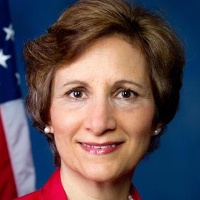
Suzanne Bonamici
Representative
OR-1
The Supporting Grandfamilies Act of 2026 authorizes $10 million to fund a National Technical Assistance Center dedicated to supporting grandfamilies and kinship care households. The Center will provide training, resources, and coordination to help organizations better serve caregivers—particularly those aged 55 and older—and children with disabilities. By promoting evidence-based practices, the Act aims to improve the health, academic success, and overall well-being of these families across the nation.
Supporting Grandfamilies Act Proposes $10 Million Center to Help Relatives Raising Kids
The Supporting Grandfamilies Act of 2026 aims to streamline the support system for 'kinship families'—those households where grandparents, aunts, uncles, or other relatives step in to raise children. The bill authorizes $10 million for fiscal year 2027 to fund a National Technical Assistance Center on Grandfamilies and Kinship Families. This isn't just a new office; it’s designed to be a central hub that stays funded through 2031, managed by the Department of Health and Human Services. The goal is to provide a roadmap for the community organizations and local government agencies that these families rely on for help with everything from school enrollment to healthcare.
A Safety Net for the Second-Time Around
Raising a child while navigating your own retirement or managing a disability is a heavy lift. This bill specifically directs the new Center to prioritize families where the primary caregiver is 55 or older or where a child has a disability. Under Section 2, the Center is required to develop evidence-based programs that tackle modern challenges, including the impact of the opioid crisis on family structures. For a grandmother in her 60s suddenly raising a toddler, this could mean that the local nonprofit she visits will have better access to proven strategies and coordinated services, rather than leaving her to navigate a maze of disconnected government programs alone.
Professional Support for Local Heroes
The bill sets high standards for who actually runs this Center. According to the grantee requirements, the operator must be a nonprofit with a track record of working with the child welfare system and tribal organizations. They can't just be policy experts; they must have an established process for getting direct feedback from the families themselves. By focusing on 'technical assistance,' the bill aims to fix the plumbing of the social safety net—training local staff and helping organizations tailor their services to the unique economic and academic needs of kinship families. It’s about making sure the people who help you actually know what they’re doing and have the latest resources to do it.