This bill directs the Secretary of Defense to establish an education grant program honoring the legacy, sacrifices, and lessons of the Greatest Generation during World War II.
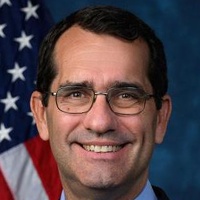
Derek Schmidt
Representative
KS-2
This bill directs the Secretary of Defense to establish the Senator Robert J. Dole Greatest Generation Education Program to honor the legacy of World War II veterans and the home front. Through a federal grant program, it supports educational initiatives and public events designed to instill patriotism, foster national unity, and teach future generations about the sacrifices made during the war.
Department of Defense to Launch Senator Robert J. Dole Greatest Generation Education Program for WWII History
The Secretary of Defense is tasked with establishing a new national initiative called the Senator Robert J. Dole Greatest Generation Education Program. This program aims to bridge the generational gap by funding educational activities that highlight the sacrifices and lessons of World War II. By focusing on stories of resilience and unity, the bill seeks to instill a sense of national pride and historical understanding in younger Americans, ensuring that the legacy of those who served on the front lines and the home front isn't lost to time.
Funding the History Books
To get these stories into the public eye, the bill authorizes the Secretary of Defense to award grants to nonprofit organizations and state or local governments. These funds are earmarked for a wide range of activities, from honoring veterans and prisoners of war to educating the public about the role of federal agencies and allied nations. For example, a local historical society could receive a grant to create an exhibit on how neighborhood factories transitioned to wartime production, or a nonprofit could develop a digital curriculum about the liberation of Nazi concentration camps to ensure the Holocaust is never forgotten.
New Projects Only
There is a specific catch for state governments: they can’t use this federal money to pay for things they are already doing. According to the bill, state grants must be used for new initiatives and cannot fund existing secondary education programs. This means if a state already has a robust WWII curriculum in its high schools, it would need to propose something fresh—like a community-wide mentorship program between students and veterans or a new immersive event at a local memorial—to qualify for the cash.
Protecting the Legacy
The legislation also grants the Secretary of Defense exclusive rights to the program’s name and any associated seals or badges. While this protects the brand from being used for unofficial or commercial purposes, the real-world impact lies in how the "educational activities" are defined. Because the term is somewhat broad, the success of the program will depend on how the Department of Defense selects grant winners. For a busy parent or a teacher, this could eventually mean more high-quality, local opportunities for kids to engage with history outside of a standard textbook, provided the implementation stays focused on the bill’s goal of national unity.