The Modernizing Opioid Treatment Access Act 2.0 of 2026 expands access to methadone treatment by allowing qualified practitioners to prescribe it for pharmacy dispensing.
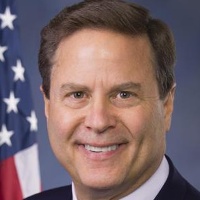
Donald Norcross
Representative
NJ-1
The Modernizing Opioid Treatment Access Act 2.0 of 2026 expands access to methadone for opioid use disorder by allowing qualified practitioners to prescribe it for pharmacy dispensing. This legislation aims to increase treatment flexibility through electronic prescribing and telemedicine while maintaining rigorous practitioner standards. States retain the authority to opt out of these provisions, and the DEA is required to provide annual reports on the program's implementation.
New Opioid Treatment Bill Allows Local Pharmacies to Dispense Methadone Starting in 2026
For decades, if you or a loved one needed methadone to manage opioid use disorder, you usually had to trek to a specialized, often stigmatized, clinic every single morning. The Modernizing Opioid Treatment Access Act 2.0 of 2026 is looking to flip that script. Starting 180 days after it hits the books, this bill allows board-certified addiction specialists to write methadone prescriptions that you can pick up at your neighborhood pharmacy, just like any other medication. It’s a massive shift designed to treat addiction like the medical condition it is, rather than a legal hurdle to be cleared.
Prescription for Convenience
Under Section 2, the bill creates a new pathway for 'qualified practitioners'—think doctors with specific board certifications in addiction medicine or psychiatry—to register with the Attorney General to prescribe methadone. This isn't just for a quick fix; the bill specifically allows for these prescriptions to be handled via telemedicine, which is a game-changer for someone working a 9-to-5 or a construction shift who can't spend two hours commuting to a clinic. To keep things secure, all prescriptions must be sent electronically and are limited to liquid or dispersible tablet forms. For a retail worker in a rural area, this could mean the difference between keeping their job and losing it to the logistics of daily clinic visits.
The Fine Print on Privacy and Access
While the bill aims to make life easier, it comes with a few 'heads up' moments. Section 2 requires doctors to get informed consent and explicitly explain that pharmacy records don't have the same hyper-strict confidentiality protections as specialized clinics (OTPs). In plain English: your methadone prescription might show up on the same state database your regular primary care doctor or dentist sees. Additionally, there’s a 'State Opt-Out' clause. If your state government decides they don't like this expansion, they can tell the Attorney General to stop registering local doctors, which could create a confusing map where treatment is easy to get in one state but remains locked behind clinic doors just across the border.
Accountability and Oversight
To make sure this doesn't turn into the 'Wild West' of prescribing, the bill sets up a strict reporting chain. Every year, the DEA has to tell Congress exactly how many doctors are registered, which states opted out, and—crucially—how many practitioners had their licenses yanked for breaking the rules. While the Secretary of Health and Human Services has some leeway to decide who else is 'qualified' to prescribe beyond board-certified specialists (a bit of a grey area in the text), the goal is to balance increased access with professional oversight. For the average person, it means more doors are opening for treatment, provided their state doesn't decide to close them first.