The CANADA FIRE Act mandates economic and diplomatic sanctions against the Canadian government and responsible foreign officials if they fail to adequately prevent or mitigate transboundary wildfire smoke affecting the United States.
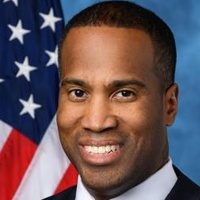
John James
Representative
MI-10
The **CANADA FIRE Act** establishes a framework for the United States to impose targeted economic and diplomatic sanctions on the Government of Canada and responsible foreign officials in response to recurring, significant wildfire smoke incursions. The bill mandates that the President determine whether Canada has failed to take reasonable measures to mitigate transboundary smoke events, with potential consequences including asset blocking, procurement bans, and visa restrictions. These sanctions are designed to encourage improved forest management and cooperation, with provisions for termination once verifiable, long-term corrective actions are implemented.
New CANADA FIRE Act Proposes Sanctions and Visa Bans Over Wildfire Smoke Crossing U.S. Borders
If you remember the orange skies and the 'stay indoors' advisories from the 2026 wildfire season, this bill is the legislative response to that haze. The CANADA FIRE Act creates a formal process to hold the Canadian government accountable when their wildfire smoke drifts into U.S. territory. Under this proposal, if the President determines that smoke from Canada has caused air quality to hit 'Unhealthy for Sensitive Groups' levels (an AQI over 100) and that Canada didn't do enough to stop it, a wave of economic and diplomatic penalties kicks in. This isn't just a slap on the wrist; we’re talking about freezing assets of high-ranking officials and blocking major government contracts.
The Smoke Signal for Sanctions
The bill sets a strict 30-day clock for the President to decide if Canada’s forest management—or lack thereof—is responsible for our bad air days. If the answer is yes, the U.S. would be required to blacklist specific 'responsible foreign persons.' This list could include everyone from the Prime Minister to forestry officials. Once on this list, these individuals would have their U.S. property frozen and their visas revoked, effectively banning them from entering the country. For a local business owner in a border town or a construction worker forced to stay home during a smoke event, this provision aims to ensure that the people making policy decisions in Ottawa feel the same level of disruption that U.S. workers feel when the air turns toxic.
Economic Cold Front
Beyond targeting individuals, the bill takes aim at the Canadian government’s wallet. Section 7 mandates that the U.S. stop buying goods or services from the Canadian government and its state-owned companies. It also allows the President to prohibit U.S. citizens from buying new Canadian sovereign debt or investing in their government-controlled entities. While there are clear exceptions for 'humanitarian' goods—like food, medicine, and actual wildfire-fighting equipment—the bill could significantly complicate life for U.S. companies that have long-standing contracts with Canadian government agencies. If you work for a firm that supplies tech to a Canadian ministry, these provisions could put your next contract in a 60-day 'wind-down' period before it’s cut off entirely.
Diplomatic Deep Freeze
Perhaps the most aggressive part of the bill is the 'Sense of Congress' regarding diplomats. It suggests that the Secretary of State should consider declaring top Canadian diplomats—including the Ambassador and various counselors—as persona non grata, which is diplomatic speak for 'you aren't welcome here anymore.' The bill even goes a step further, stating that no new Ambassador can be recognized until the air quality in affected U.S. communities stays healthy (AQI under 100) for 90 straight days. While the goal is to force better cooperation on forest management, the immediate effect would likely be a significant chill in the relationship with our largest trading partner, potentially affecting everything from border wait times to joint environmental research.