The Building Community in America Act amends federal service laws to prioritize the recruitment and training of underrepresented populations, including men, for community-building roles such as youth mentorship, public safety, and workforce development.
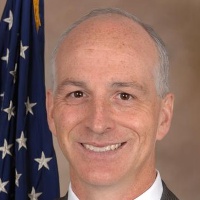
Adam Smith
Representative
WA-9
The Building Community in America Act aims to strengthen national service programs by prioritizing the recruitment and training of underrepresented populations, with a specific focus on engaging more men in community-building roles. The bill directs federal service initiatives to emphasize mentorship, public safety, disaster response, and workforce development. By expanding participation, the legislation seeks to broaden the impact of volunteer and service-based programs across the country.
Building Community in America Act Prioritizes Recruitment of Men and Underrepresented Groups for Mentoring and Skilled Trades
The Building Community in America Act aims to shake up the demographics of national service by specifically targeting groups that aren't currently showing up in high numbers—with a particular focus on recruiting men. By amending the National and Community Service Act of 1990 and the Domestic Volunteer Service Act of 1973, the bill shifts the mission of these programs to prioritize the recruitment and training of underrepresented populations for high-impact community roles. This isn't just about general volunteering; the bill specifically points to roles in youth coaching, disaster response, public safety, and workforce-linked services like apprenticeships.
A New Playbook for Service
Under Section 2, the bill adds a formal goal to the federal list of national service objectives: expanding participation among young adults who are currently missing from mentoring and youth development activities. For a local after-school program or a conservation corps, this means their federal priority—and likely their funding focus—will shift toward finding and training people who fit these underrepresented profiles. For example, a trade worker looking to transition into a mentorship role or a young man interested in disaster response might find more dedicated pathways and training resources available as programs pivot to meet these new federal requirements.
From Classrooms to Construction Sites
The legislation specifically directs the Director of the Domestic Volunteer Service and grant administrators to prioritize projects that involve skilled trades and violence interruption. By linking service to 'workforce-linked services' and 'apprenticeships' in Section 122(f)(5), the bill attempts to bridge the gap between community volunteering and career development. For someone in a transition period—like a veteran returning home or a student looking for a hands-on career—this could mean that a stint in a conservation corps or a public safety program now comes with a more direct pipeline to a professional trade or a technical certification.
Navigating the Details
Because the bill has a 'medium' level of vagueness regarding the exact definition of 'underrepresented populations,' much of the real-world impact will depend on how local program directors interpret these rules. While the text explicitly mentions men, it leaves room for other groups to be identified based on local data. This flexibility allows a program in a rural area to focus on different recruitment needs than one in a major city, but it also means the actual 'priority' status might look different from state to state. The long-term goal is to ensure that the people leading youth programs and public safety initiatives actually reflect the communities they are serving, potentially making those programs more relatable and effective for the next generation.