The SWIFT Act of 2026 improves financial security for widows, widowers, and surviving divorced spouses by expanding disability eligibility, increasing child-in-care benefit age limits, and creating new opportunities to maximize survivor benefit amounts.
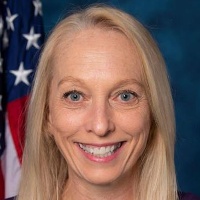
Mary Scanlon
Representative
PA-5
The Surviving Widow(er) Income Fair Treatment (SWIFT) Act of 2026 aims to strengthen financial security for surviving spouses by expanding eligibility for disability-based benefits and increasing the age limit for child-in-care benefits to 18. The bill also introduces new delayed retirement credits for survivors and updates benefit calculation rules to ensure fairer compensation for those who wait to claim. Additionally, it mandates improved outreach and educational resources to ensure survivors are fully informed of their benefit options.
SWIFT Act of 2026: New Social Security Rules Boost Survivor Benefits for Disabled Spouses and Parents of Teens
The SWIFT Act of 2026, set to take effect on January 1, 2027, overhauls how Social Security handles survivors benefits to ensure fewer people fall through the cracks. The bill removes the strict age 50-60 window for disabled widows and widowers to claim unreduced benefits, eliminates the requirement that a disability must start within a specific timeframe, and raises the age limit for 'child-in-care' benefits from 16 to 18. Additionally, it introduces a new system of delayed retirement credits, allowing survivors to boost their monthly checks by waiting to claim, similar to how standard retirement benefits work.
Breaking the Age Barrier for Disability
Under current rules, if you’re a disabled widow or widower, you often face a 'waiting game' or reduced payments depending on exactly how old you are when your spouse passes. Section 2 of the bill scraps the rule that you must be between 50 and 60 to get unreduced disability-based survivor benefits. It also ensures that if you remarry after qualifying for these benefits, you won't lose them. For a 45-year-old who is unable to work due to a disability, this means access to full survivor benefits immediately rather than waiting years for a specific birthday to hit.
Supporting Parents of Teens
Raising a teenager isn't getting any cheaper, and the bill acknowledges this by updating the 'child-in-care' rules in Section 3. Currently, these benefits—which help a surviving parent stay home or manage costs while caring for a child—cut off when the child turns 16. The SWIFT Act bumps that age to 18. This two-year extension provides a vital financial bridge for families during the expensive high school years, ensuring that a surviving parent doesn't see their household income drop just as their kid is preparing for graduation or trade school.
Rewards for Playing the Long Game
Section 4 introduces a 'delayed retirement credit' for survivors, a concept that hasn't really existed for this group before. If you’re eligible for survivor benefits but decide to keep working and delay claiming them, your future monthly check will grow by a set percentage for every month you wait. The bill even allows for 'voluntary suspension,' meaning if you’re already receiving benefits but land a high-paying job, you can pause your payments to rack up credits and lock in a much higher monthly amount for your later years. It’s a savvy move for those who have the health and opportunity to keep working.
Protecting Your Other Benefits
One of the smartest parts of this bill is the 'hold harmless' provision in Section 5. Often, when Social Security benefits go up, people accidentally lose their eligibility for other help like SNAP (food stamps) or housing assistance because their 'income' technically increased. This bill mandates that any extra money you get specifically because of the SWIFT Act must be ignored by other federal and state programs. To make sure everyone knows their rights, Section 6 requires the Social Security Administration to mail a plain-English handbook to every new widow or widower within 30 days of their spouse's death, explaining exactly how to maximize these new options.