The English Language Proficiency Act eliminates all existing exemptions to the naturalization requirement, mandating that all citizenship applicants demonstrate proficiency in the English language and knowledge of U.S. history and government.
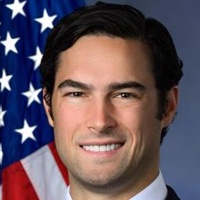
Brandon Gill
Representative
TX-26
The English Language Proficiency Act amends the Immigration and Nationality Act to mandate that all naturalization applicants demonstrate proficiency in the English language and knowledge of U.S. history and government. This bill eliminates existing exemptions previously granted to elderly applicants and individuals with physical or developmental disabilities. Consequently, all applicants for U.S. citizenship would be required to meet these standards without exception.
English Language Proficiency Act Ends Citizenship Test Waivers for Seniors and People with Disabilities
The English Language Proficiency Act proposes a major shift in how immigrants become U.S. citizens by removing long-standing exemptions for the naturalization test. Specifically, Section 2 of the bill strikes paragraphs (2) and (3) from the Immigration and Nationality Act, effectively ending the policy that allowed certain applicants to skip the English and civics exams. Currently, these waivers are available to older adults who have lived in the U.S. as permanent residents for decades and individuals with documented physical or mental impairments. If this bill passes, every single applicant, regardless of age, length of residency, or medical condition, will be required to demonstrate proficiency in English and pass a test on U.S. history and government.
The End of the 'Seniority' Pass
For years, the naturalization process has recognized that learning a new language in your 70s or 80s is a different beast than doing it in your 20s. Under current law, if you are over 50 and have lived here for 20 years, or over 55 and have lived here for 15 years, you can take the civics test in your native language. This bill wipes those rules off the books. Imagine a grandmother who has lived in the U.S. for 30 years, worked, paid taxes, and raised a family here, but primarily speaks her native tongue at home. Under this new rule, she would have to pass an English-language exam to obtain citizenship, regardless of her age or how long she has been a legal resident.
Harder Hurdles for Health and Disability
Perhaps the most significant change is the removal of the medical waiver. Currently, applicants with "medically determinable" physical or developmental disabilities or mental impairments can be exempted from the English and civics requirements. By striking paragraph (3) of 8 U.S.C. 1423(b), the bill removes this safety net. This means an individual with a severe cognitive disability or a permanent medical condition that prevents them from learning or speaking English would no longer have a path to bypass these specific testing requirements. For families caring for a disabled relative who is a lawful permanent resident, this change creates a permanent barrier to the legal protections and voting rights that come with full citizenship.
Uniformity vs. Accessibility
The bill’s primary effect is to create a one-size-fits-all standard for American citizenship. While the goal is to ensure every citizen has a baseline understanding of the English language and U.S. government, the practical rollout removes the flexibility that previously accounted for human reality. By standardizing the requirements, the bill simplifies the administrative process for the government, but it shifts the entire burden onto the most vulnerable applicants. For busy families or workers who are already navigating the complex immigration system, this adds a high-stakes layer of difficulty that could result in more rejections for those who have lived and worked in the country legally for most of their lives.