The Mount Cristo Rey Protection Act prohibits the use of federal funds for eminent domain or the construction of security infrastructure at the culturally and religiously significant Mount Cristo Rey site in New Mexico.
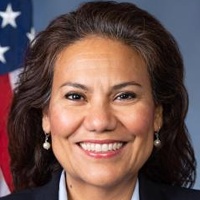
Veronica Escobar
Representative
TX-16
The Mount Cristo Rey Protection Act prohibits the use of federal funds for eminent domain actions or the construction of security infrastructure on or near Mount Cristo Rey in New Mexico. This legislation aims to protect the site’s profound religious and cultural significance by preventing federal interference with land owned by the Roman Catholic Diocese of Las Cruces.
Mount Cristo Rey Protection Act Bans Federal Funding for Eminent Domain and Border Infrastructure at Historic Pilgrimage Site
The Mount Cristo Rey Protection Act is a targeted piece of legislation designed to pull the plug on federal spending for land seizures and construction at one of the Southwest’s most prominent religious landmarks. Specifically, the bill prohibits the use of any federal funds to pursue eminent domain—the process where the government takes private property for public use—or to build security infrastructure at Mount Cristo Rey in Sunland Park, New Mexico. This isn't just a broad policy shift; it explicitly blocks taxpayer money from being used to litigate the ongoing court case United States of America v. 14.259 Acres of Land, effectively halting the federal government's legal attempt to acquire land owned by the Roman Catholic Diocese of Las Cruces.
Sanctuary from Steel and Sensors
The bill draws a hard line in the sand regarding what can be built on or near the mountain. Under Section 2, federal agencies are barred from spending money to construct, operate, or maintain a laundry list of security measures: fencing, vehicle barriers, security lighting, cameras, and sensors. For the 40,000 pilgrims who visit the 29-foot statue of Christ at the peak each year, this means the landscape of their spiritual journey stays exactly as it is. Whether you are a local resident in Sunland Park or one of the many who travel from Texas or Mexico for the Feast of Christ the King, the bill ensures that the physical environment of the pilgrimage remains free from new federal barriers and surveillance tech.
Prioritizing Pilgrimage over Procurement
Congress justifies these restrictions by categorizing the government’s attempt to seize this land for border wall construction as an infringement on religious liberty. By citing the site's history—dating back to the statue's dedication in 1939—the legislation shifts the priority from national security infrastructure to the preservation of cultural and religious heritage. For the Catholic Church and the faithful, this acts as a legal shield for their property rights. While federal agencies looking to close gaps in border fencing would face a significant roadblock here, the bill provides a clear win for those who believe some spaces should be off-limits to government expansion, ensuring that a site of profound personal meaning isn't transformed into a construction zone.