The CLINIC Assistance Act authorizes the Department of Labor to provide grants to law schools for establishing clinical programs that help individuals navigate and resolve disputes regarding employer-sponsored benefit plans.
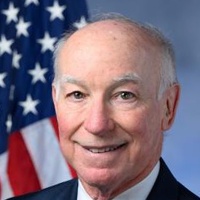
Joe Courtney
Representative
CT-2
The CLINIC Assistance Act authorizes the Department of Labor to provide grants to accredited law schools for the development of attorney-supervised clinical programs. These programs will provide pro bono legal assistance to individuals navigating denied claims and other disputes related to employer-sponsored welfare benefit plans under ERISA. By funding these clinics, the bill aims to increase access to legal representation for beneficiaries while providing valuable experience to law students.
New CLINIC Assistance Act to Fund Law Student Programs Helping Workers Fight Denied Health and Disability Claims
If you’ve ever spent three hours on hold with your insurance company or tried to decipher a twenty-page denial letter for a medical procedure, you know that employer-sponsored benefits are a maze. The CLINIC Assistance Act aims to provide a free navigator for that maze by giving the Department of Labor the green light to award grants to law schools. These grants, capped at $500,000 per school, will fund clinical programs where law students—supervised by actual attorneys—provide free legal help to people trying to access their health, disability, or life insurance benefits. Starting in 2026, the bill authorizes $5 million annually through 2030 to get these programs off the ground.
Legal Muscle for the Little Guy
This isn't just about filling out forms; it’s about providing real legal representation for situations that usually feel like a David vs. Goliath battle. Under Section 2, these clinics can represent you in internal appeals when a claim is denied, or even take the fight to federal court under ERISA (the law that governs most workplace benefits). For a construction worker dealing with a denied long-term disability claim or an office manager facing a surprise bill from a provider because of an insurance mix-up, this means having a trained advocate in your corner without having to pay a private attorney's hourly rate. The bill specifically allows these funds to cover the salaries of the supervising attorneys, ensuring the students aren't just winging it.
Connecting the Dots
The bill doesn't want these law clinics to exist in a vacuum. It requires the Employee Benefits Security Administration (EBSA) to coordinate directly with these schools. This means when you call the government for help, they can point you toward a local law clinic that has the resources to handle your specific case. It also encourages these programs to work with state-level consumer assistance offices and ombudsmen. By linking federal oversight with local legal talent, the bill attempts to create a safety net for workers who might otherwise give up on benefits they’ve already paid for through their paychecks.
The Fine Print and Discretion
While the goal is straightforward, there is some room for administrative interpretation. The bill gives the Secretary of Labor the power to decide what "other actions" relating to ERISA enforcement these clinics can handle, and the Secretary has broad discretion over the application process for schools. For the average person, this means the availability and specific focus of a clinic might vary depending on who is running the Department of Labor at the time. However, with a total of $25 million on the table over five years, the immediate impact is a clear push to turn law students into a frontline defense for workers navigating the often-frustrating world of corporate benefits.