This bill authorizes the expedited reappointment of qualified, involuntarily separated Foreign Service members without requiring them to retake standard examinations.
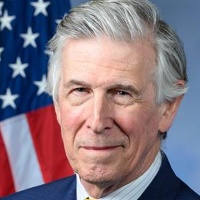
Donald Beyer
Representative
VA-8
The Foreign Service Test-Free Reentry Act of 2026 streamlines the rehiring process for qualified former career Foreign Service members who were involuntarily separated due to reductions in force between 2025 and 2030. This legislation allows the Secretary of State to reappoint these individuals without requiring them to repeat standard written or oral examinations.
Foreign Service Test-Free Reentry Act: Fast-Tracking Experienced Diplomats Back to Work Through 2030
The Foreign Service Test-Free Reentry Act of 2026 is essentially a "fast-pass" for experienced diplomats who were forced out of their jobs due to budget cuts or staff reductions. Under this bill, the Secretary of State can rehire former career members of the Foreign Service without making them jump through the usual hoops—meaning no grueling written exams, no oral boards, and no starting from scratch with entry-level qualifications. This streamlined process applies specifically to those who were involuntarily separated or pushed into early retirement between January 20, 2025, and January 31, 2030. Think of it as a specialized recruitment tool designed to bring seasoned pros back into the fold without the bureaucratic red tape that usually slows down government hiring.
The "Good Standing" Requirement
To qualify for this shortcut, you can’t just be any former employee; you have to have been a solid performer. The bill defines "serving in good standing" as not having any documented low rankings in your performance reviews for the five years leading up to your departure. For a mid-career professional who was caught in a round of layoffs (a "reduction in force"), this is a significant win. It acknowledges that if you’ve already proven you can do the job at a high level, you shouldn't have to retake a standardized test to prove it again. It’s like a licensed electrician being allowed to return to a job site after a layoff without having to retake their journeyman exam—it respects the expertise they already gained on the clock.
Keeping the Door Propped Open
This isn't a free-for-all for anyone who ever worked at the State Department. Section 2 of the bill is very specific: the shortcut only exists if your exit was involuntary and happened within that specific five-year window starting in early 2025. If you quit voluntarily to take a high-paying consulting gig or left because of a disciplinary issue, you’re stuck in the standard application line with everyone else. By limiting the scope, the bill tries to protect the merit-based system while ensuring that the U.S. doesn't permanently lose the institutional knowledge of thousands of people who were forced out due to shifting budgets rather than poor performance.
Why This Matters for the Rest of Us
While this mostly affects a specific group of government workers, it has a broader impact on how efficiently our foreign policy operates. When the government loses experienced staff, it usually takes years and significant taxpayer money to train replacements from scratch. By creating a mechanism to bring back "plug-and-play" employees who already know the ropes, the State Department can theoretically stay operational during staffing swings. The challenge, of course, is ensuring this doesn't become a way to bypass the usual competitive hiring process for political reasons, but the bill’s strict focus on those "involuntarily separated" provides a pretty clear guardrail against that kind of mission creep.