The Outside Influence Prevention Act requires that at least half of the funding for independent expenditures in U.S. House elections come from donors residing within the state where the election is held.
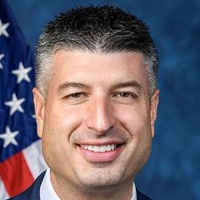
Tom Barrett
Representative
MI-7
The Outside Influence Prevention Act requires that political committees funding independent expenditures in U.S. House elections receive at least 50% of their contributions from donors residing within the state where the election is held. This legislation aims to ensure that local representation remains driven by the interests of in-state constituents rather than outside financial influence.
Outside Influence Prevention Act Mandates 50% In-State Funding for House Election Ads
The Outside Influence Prevention Act introduces a major shift in how political spending works for U.S. House elections. Under this bill, any political committee that spends money on independent advertisements—meaning ads that aren't coordinated directly with a candidate—must ensure that at least 50% of the funds used for those ads in a specific state come from donors living within that state. This effectively places a local residency requirement on the financial backing of political messaging, aiming to tie campaign spending more closely to the residents of the districts being represented.
Keeping it Local
This bill targets the way national groups influence local congressional races. For example, if a national environmental group or a large trade association based in D.C. wants to run a series of TV ads supporting a candidate in Ohio, they can no longer just use their national treasury. Under Section 2, they would have to prove that half of the money for those specific Ohio ads came from donors with Ohio addresses. For a local organizer or a small business owner, this could mean that the political ads they see on their local news are more reflective of their neighbors' interests rather than a billionaire's agenda from three time zones away.
The Compliance Crunch
While the goal is local empowerment, the practical rollout could be a logistical headache for advocacy groups. Organizations will have to meticulously track the 'donor address' for every dollar to ensure they hit the 50% threshold before they can buy airtime. The bill is somewhat vague on what counts as a valid address—whether a P.O. box or a business office qualifies—which could lead to legal disputes or the use of shell companies to make out-of-state money look local. For digital-native donors who move frequently or use virtual mailboxes, this residency requirement adds a layer of complexity to how their contributions can be used.
National Groups vs. Homegrown Voices
The real-world impact will likely be felt most by national PACs and 'Super PACs' that are used to moving money across state lines to influence tight races. A software developer in California who wants to support a specific candidate in a swing district in Pennsylvania might find their contribution less effective, as the group they donate to would need to find a matching dollar from someone actually living in Pennsylvania to spend it there. While this may reduce the noise from 'outside interests,' it also limits the ability of citizens to support causes they care about in other parts of the country, potentially making it harder for cash-strapped candidates in smaller states to get independent support.