This bill abolishes the Council of the Inspectors General on Integrity and Efficiency (CIGIE) and reassigns its oversight, training, and coordination responsibilities to various federal agencies, including the Office of Management and Budget and the Government Accountability Office.
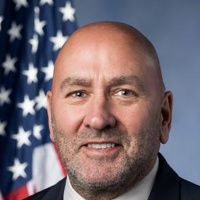
Clay Higgins
Representative
LA-3
The Restoring Integrity and Efficiency to Inspector General Oversight Act of 2026 abolishes the Council of the Inspectors General on Integrity and Efficiency (CIGIE). The bill reassigns CIGIE’s oversight, training, and coordination responsibilities to the Office of Management and Budget, the Comptroller General, and other federal entities. This legislation aims to streamline federal accountability by redistributing these essential functions across existing government offices.
Watchdog Shake-up: New Bill Abolishes Inspector General Council and Reassigns Oversight of Federal Waste to OMB by 2027
The Restoring Integrity and Efficiency to Inspector General Oversight Act of 2026 aims to dismantle the Council of the Inspectors General on Integrity and Efficiency (CIGIE), the central hub that currently coordinates the work of the government’s internal watchdogs. Within one year of this bill becoming law, CIGIE will be officially abolished, and its responsibilities—ranging from training investigators to mediating disputes between agencies—will be scattered across other federal offices. The goal is to streamline how the government hunts for fraud and waste, but it moves the keys to the kingdom from an independent council to the Office of Management and Budget (OMB) and other high-level departments.
Moving the Watchdogs' Home
Under this bill, the Director of the OMB becomes the new point person for federal oversight policy. If two different inspectors general (IGs) get into a turf war over who should investigate a cross-agency fraud case, the OMB Director will now be the one to mediate and settle the dispute (Section 424(g)). For a regular taxpayer, this matters because it changes who is calling the shots on how your tax dollars are protected. While the bill tasks the OMB with creating government-wide plans to combat waste, it also moves the training of the thousands of auditors and investigators who keep agencies honest to the Federal Law Enforcement Training Centers. This shift means the people responsible for catching corruption will now be trained under a different set of standards developed by the OMB and the Comptroller General.
Pink Slips and Policy Shifts
This isn't just a change on paper; it has immediate consequences for the people doing the work. According to the bill’s text, most CIGIE employees who aren't specifically reassigned to new roles will be separated from the civil service on the day the council is abolished. For the remaining IG offices, the bill requires them to coordinate directly with each other to spot program weaknesses, rather than relying on a central council to facilitate those conversations. This could mean more direct communication between agencies, but it also places a heavy burden on individual IG offices to manage their own coordination without the dedicated support system they’ve used for years.
The Accountability Question
While the bill aims for efficiency, it introduces some real-world hurdles. By moving oversight coordination into the OMB—an office that is part of the White House—there is a potential shift in how independent these watchdogs feel. For a small business owner dealing with federal contracts or a citizen concerned about agency transparency, the effectiveness of this bill depends entirely on how well the OMB handles its new power. The legislation does ensure that current lawsuits and whistleblower protections remain in place during the transition, but the long-term impact on how aggressively the government polices itself remains a major question mark as the centralized "watchdog for the watchdogs" disappears.