The Fiscal Sponsorship Transparency Act of 2026 establishes new reporting requirements, definitions, and excise taxes for tax-exempt organizations to ensure greater accountability and prevent improper conduit arrangements in fiscal sponsorship.
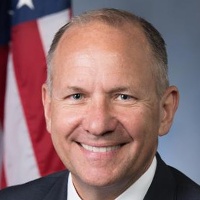
Lloyd Smucker
Representative
PA-11
The Fiscal Sponsorship Transparency Act of 2026 establishes new reporting requirements and tax penalties for charitable organizations that use fiscal sponsorship arrangements. The bill aims to increase oversight by mandating detailed disclosures of these arrangements and imposing excise taxes on improper conduit arrangements where organizations fail to maintain proper discretion and control over funds.
Fiscal Sponsorship Transparency Act of 2026: New IRS Reporting and 20% Penalty Taxes for Nonprofits
The Fiscal Sponsorship Transparency Act of 2026 introduces strict new reporting rules and heavy financial penalties for charities that manage money for other people or projects. Starting in 2028, tax-exempt organizations must disclose the names of all parties in a 'fiscal sponsorship arrangement,' the specific dollar amounts transferred, and the name of the principal officer in charge of the funds. The bill aims to stop charities from acting as 'conduits'—essentially pass-throughs for money—without maintaining real control over how that cash is spent.
The End of Hands-Off Bookkeeping
For many small grassroots projects, getting a big charity to 'sponsor' them is the only way to accept tax-deductible donations. Under Section 2, the IRS is tightening the leash. If a charity publicly solicits money for a project, they must now prove they have 'discretion and control' over every cent. Think of it like a contractor hiring a subcontractor: the contractor is legally responsible for the final build. If a charity just hands over the check and looks the other way, they could be flagged for an 'improper conduit arrangement.' This means no more tax deductions for donors on those specific gifts and a massive 20% excise tax on the charity for the amount transferred.
Personal Stakes for Nonprofit Leaders
This isn't just about the organization’s bank account; it’s about the people running the show. The bill introduces personal financial liability for 'organization managers'—directors, officers, or trustees. If a manager knowingly approves an improper money transfer, they can be hit with a 5% tax (up to $10,000) out of their own pocket. If they don't fix the mistake quickly, that penalty can jump to 50% (up to $20,000). For a local nonprofit board member who is just trying to help a community garden get off the ground, the cost of a paperwork error just became a personal financial risk.
The 'Discretion' Dilemma
The biggest question mark in this bill is what 'discretion and control' actually looks like in practice. While the bill mandates these rules, it leaves the specific definitions up to future Treasury Department regulations. This creates a bit of a 'wait and see' game for nonprofits. If the rules are too strict, a small arts collective might lose its funding because the sponsoring charity is too afraid of a 100% 'additional tax' to take a chance on them. On the flip side, for donors, these rules mean more certainty that their 'charitable' gift isn't just a tax-free shortcut for someone else’s private project.