The Drug Deal Disclosure Act mandates the creation of a public, searchable database detailing federal agreements with drug manufacturers regarding pricing, special treatment, and import provisions.
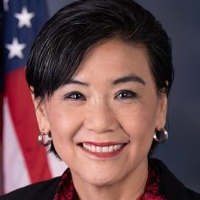
Judy Chu
Representative
CA-28
The Drug Deal Disclosure Act requires the Secretary of Health and Human Services to create a public, searchable database of federal agreements with drug manufacturers regarding pricing and special treatment provisions. The bill mandates transparency for these agreements, prohibiting redactions based on political sensitivity or reputational harm. Additionally, it requires the CBO and GAO to conduct a joint analysis on the economic and budgetary impacts of these agreements on the U.S. healthcare system.
Drug Deal Disclosure Act Mandates Public Database for Government Pharma Contracts Within 30 Days
The federal government is looking to pull back the curtain on the private negotiations that determine what you pay for prescriptions. The Drug Deal Disclosure Act requires the Secretary of Health and Human Services (HHS) to build a centralized, searchable, and downloadable public database of every deal the government has cut with pharmaceutical companies since January 20, 2025. This isn't just a list of names; it’s a deep dive into the fine print of 'most-favored-nation' pricing—where the U.S. tries to snag the same lower prices drug makers offer in other countries—and special perks like fast-tracked FDA reviews or exemptions from import duties. If the government and a drug giant like Pfizer or Eli Lilly shake hands on a deal involving the 'TrumpRx' platform or the Strategic National Stockpile, the details have to be online within 30 days.
Opening the Books on Big Pharma
Under this bill, the days of 'trust us, it’s a good deal' are largely over. The database must include specific records from the White House, HHS, and the Department of Commerce. It specifically targets high-stakes provisions, such as requirements for manufacturers to repatriate overseas revenue or invest in U.S. facilities in exchange for special treatment in Medicare pilot programs like the GLOBE and GUARD models. For a person managing a chronic condition like diabetes, this means you’ll finally see the actual terms behind the 'direct-to-consumer' discounts you see advertised. The bill even name-checks 17 major agreements already announced—including deals with Johnson & Johnson, Merck, and AstraZeneca—ensuring those existing contracts don't stay hidden in a filing cabinet.
No More Hiding Behind Red Tape
One of the stickiest parts of government oversight is the 'redaction'—those black bars that cover up the most interesting parts of a document. This bill sets some strict rules: the Secretary can’t hide info just because it might be politically embarrassing or hurt a company’s reputation. While companies can still protect 'proprietary pricing' (the secret sauce of their business model) or info protected by international law, they have to prove it. For every blacked-out line, the government must publish a written justification in the Federal Register. It’s like a 'show your work' requirement for bureaucrats, making it harder for manufacturers to hide sweetheart deals under the guise of trade secrets.
The Real-World Scorecard
Beyond just posting the contracts, the bill puts the Congressional Budget Office (CBO) and the Government Accountability Office (GAO) on the clock. Within 90 days of the records going live, these non-partisan watchdogs must tell us if these deals are actually working. They’re required to break down exactly how much money people—whether they have private insurance, Medicare, or no insurance at all—are actually saving. For a small business owner trying to provide health benefits or a retiree on a fixed income, this report will serve as a concrete scorecard. It will analyze if these deals are actually lowering costs at the pharmacy counter or if they’re just shifting numbers around on a government ledger.