The Good Jobs for Good Airports Act establishes mandatory prevailing wage and fringe benefit standards for service workers at small, medium, and large hub airports to improve recruitment, retention, and safety.
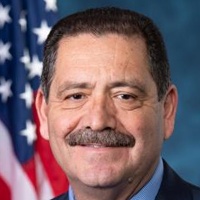
Jesús "Chuy" García
Representative
IL-4
The "Good Jobs for Good Airports Act" establishes federal minimum wage and fringe benefit standards for service workers at small, medium, and large hub airports. By ensuring fair compensation for roles ranging from baggage handling to concessions, the bill aims to improve worker recruitment, retention, and overall airport safety. Employers are required to certify compliance monthly, with strict enforcement and reporting mechanisms in place to ensure accountability.
Good Jobs for Good Airports Act Sets New Prevailing Wage Standards for Thousands of Airport Service Workers
The 'Good Jobs for Good Airports Act' aims to fundamentally change the pay structure for the people who keep our travel hubs running. By amending Title 49 of the U.S. Code, the bill requires employers at small, medium, and large hub airports to pay their service workers at least the 'prevailing wage' and provide fringe benefits determined by the Secretary of Labor. This isn't just for airline staff; it covers a massive range of roles, from the person loading your bags and the janitor cleaning the terminal to the cook making your pre-flight burger and the housekeeper at an on-site airport hotel. Under this bill, if a local or state law sets a higher wage than the federal prevailing rate, the employer must pay the higher of the two.
The Paycheck Protection Plan
This legislation creates a new category called 'covered service workers' that casts a very wide net. If you work on airport property in a role connected to moving people, mail, or property, this likely applies to you. Specifically, the bill targets ramp agents, security personnel, ticketing agents, and even workers in airport lounges. For a baggage handler currently making a flat minimum wage, this bill could mean a significant bump to match the Service Contract Act rates, which are typically higher to reflect the specialized nature of airport work. Employers are required to certify their compliance every single month under penalty of perjury, ensuring that these raises don't just exist on paper but actually hit bank accounts (Section 40133).
Impact on the Terminal Floor
For the average traveler, this could lead to more experienced staff and potentially fewer delays caused by high turnover in ground-handling or security roles. However, the bill directly impacts the bottom line for 'covered employers'—the contractors and subcontractors who run airport concessions and services. A small business owner running a newsstand in a large hub like ATL or ORD might see their labor costs jump significantly within 120 days of the bill's enactment, which is when the Secretary of Labor must finalize the new wage determinations. The bill also allows 'interested persons' to bring civil actions in U.S. district court, meaning workers or advocacy groups can sue employers directly if they aren't getting the required pay or benefits.
Accountability and the Fine Print
To keep things transparent, the Secretary of Transportation will be required to publish complaint data from airport workers, similar to how they currently track airline passenger complaints. This puts pressure on companies to maintain high standards. While the bill is clear about who is covered, it does exclude certain groups: executive-level managers, state and municipal employees, and federal TSA agents are not included in these new wage requirements. For everyone else, from the catering staff to the wheelchair assistants, the bill effectively ties their compensation to federal standards, ensuring that as the cost of living and industry standards rise, their paychecks must follow suit annually.