The Expanding Opportunities for Recovery Act of 2026 authorizes federal grants to states to increase access to evidence-based, clinically appropriate treatment for individuals struggling with opioid addiction.
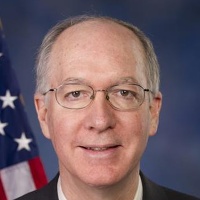
Bill Foster
Representative
IL-11
The "Expanding Opportunities for Recovery Act of 2026" authorizes federal grants to states to increase access to evidence-based, clinically appropriate treatment for opioid abuse and addiction. This program specifically targets individuals who are uninsured or underinsured, ensuring they receive necessary care, including medication-assisted treatment. States receiving these funds are required to report on patient outcomes to ensure program effectiveness and transparency.
New Opioid Recovery Act Offers 60-Day Treatment Grants for the Uninsured
The 'Expanding Opportunities for Recovery Act of 2026' creates a federal grant program designed to catch people falling through the cracks of the healthcare system. Specifically, it tasks the Center for Substance Abuse Treatment with handing out funds to states to provide evidence-based care—like medication-assisted treatment—for those struggling with opioid addiction. The catch? This isn’t for everyone. To qualify under Section 2, you must either have no health insurance at all or have a plan that basically fails you by imposing strict time limits or unfair 'nonquantitative' rules that make getting help for addiction harder than getting help for a broken leg.
The 60-Day Countdown
While the bill aims to expand access, it comes with a very specific expiration date. Section 2 explicitly states that grant funds cannot subsidize more than 60 consecutive days of treatment for any one person. In the real world, recovery isn't always a straight line that fits into a two-month window. For a construction worker or a retail manager trying to get back on their feet, this 60-day limit creates a high-stakes 'cliff.' If a doctor recommends a longer course of care to prevent relapse, the bill doesn't currently explain how that person pays for day 61 and beyond once the federal subsidy vanishes.
Clinician Choice vs. Bureaucratic Limits
The legislation tries to balance medical expertise with government oversight. It requires states to provide the 'optimal level and duration of care' based on what a doctor actually recommends. However, there is a built-in tension here: if a physician says you need four months of residential treatment to stay clean, but the law says the money stops at day 60, the 'optimal' care might be financially out of reach. On the plus side, the bill ensures that any medications used are lawfully marketed and respect 'consumer choice,' meaning patients should have a say in their specific treatment path rather than being forced into a one-size-fits-all solution.
Tracking the Receipts
To make sure this money isn't just disappearing into a black hole, the bill sets up a strict reporting system. States have to track real-world wins: are substance use rates dropping? Are people staying out of the criminal justice system? Are they actually staying in care? Five percent of the total funding is locked away just for these evaluations and technical support. For the taxpayer, this means there’s a paper trail to see if the program actually helps your neighbor get back to work, or if the 60-day limit is simply too short to make a permanent dent in the opioid crisis.