The State Standing Committee Act establishes a committee of state, territorial, and tribal environmental officials to provide scientific and technical advice to the EPA on federal environmental regulations.
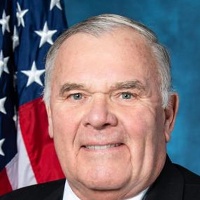
James Baird
Representative
IN-4
The State Standing Committee Act establishes a new committee within the EPA composed of state, territorial, and tribal environmental experts to provide scientific and technical advice on federal environmental regulations. This legislation ensures that local jurisdictions have a direct voice in EPA decision-making processes while also expanding the advisory scope and reporting requirements of the existing Science Advisory Board.
State Standing Committee Act: New EPA Advisory Board to Give Every State and Tribe a Direct Seat at the Table
The Environmental Protection Agency (EPA) is looking to change how it gets its homework done. A new proposal, the State Standing Committee Act, aims to create a permanent advisory body made up of one representative from every state, federal territory, and federally recognized tribe. Instead of just hearing from federal insiders, the EPA would have a direct line to local experts who actually live and work in the jurisdictions they represent. These members must be current employees of state or tribal agencies—like your local Department of Natural Resources or Department of Agriculture—and have the scientific credentials to back up their advice.
Local Expertise on a National Stage
This isn't just a social club; it’s a technical powerhouse. The committee is authorized to weigh in on almost every major environmental law on the books, including the Clean Air Act, the Safe Drinking Water Act, and the laws governing pesticides and toxic substances. For someone working in a local water treatment plant or a farmer concerned about new pesticide regulations, this means there is now a specific person from their own state government whose job includes relaying local technical realities directly to the EPA Administrator. The bill even allows individual members to file reports specifically about their own state’s needs, ensuring that a unique issue in, say, the Arizona desert isn't drowned out by a committee consensus dominated by East Coast concerns.
Transparency and the Paper Trail
One of the most practical features for the average citizen is the new transparency requirement. Within 30 days of the committee giving advice to the EPA, that information must be posted on a public website. If you’re a small business owner trying to understand why a certain regulation is changing, or a local activist tracking pollution in your county, you’ll have a clear paper trail of what your state’s experts told the feds. While the bill exempts this group from the standard Federal Advisory Committee Act—which usually governs how these groups meet—it balances that by requiring a merit-based, competitive appointment process and annual reports to Congress to ensure the seats aren't just handed out as political favors.
Balancing the Scales of Influence
Because these members serve voluntarily and without extra federal pay, the bill relies on the willingness of state and tribal governments to lend their best talent to the national stage. It also shakes up the existing Science Advisory Board (SAB) by allowing Congress to request advice directly, rather than waiting for the EPA Administrator to ask for it. By bringing in local regulators who deal with the "boots on the ground" reality of environmental compliance, the goal is to bridge the gap between high-level federal policy and the actual implementation that affects your local air quality, water costs, and land use.